
Deep Dive
来自我们记者的行业洞察
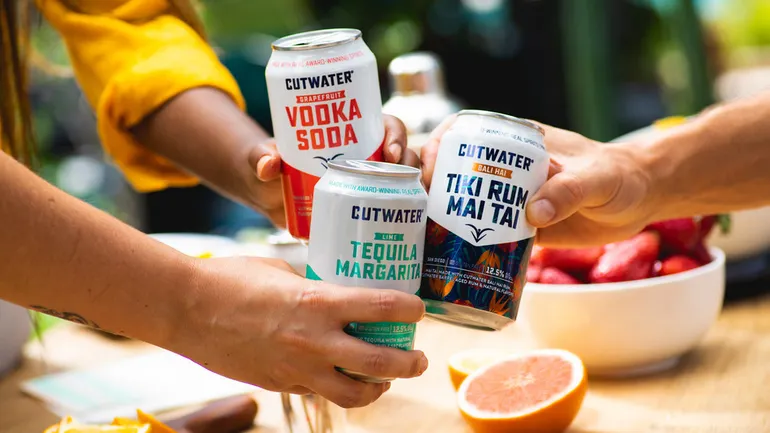
Brand Survival in the Canned Cocktail Boom: Marketing Transformation from Convenience to Resonance
Canned cocktail sales surged 86.8% during the pandemic, but the market has become saturated post-pandemic, putting brands at risk of a shakeout. Marketing experts suggest that brands should strengthen identity recognition, precisely reach millennials, and leverage digital channels and cross-industry collaborations to stand out among numerous competitors.

How Impossible Foods Inspires Gen Z's Interest in Plant-Based Meat
Impossible Foods founder Pat Brown has been committed to educating children about the environmental value of plant-based foods since 2014. Recently, the company systematically introduced its products into campus dining by obtaining the USDA child nutrition label, launching climate conversation guides for young people, and publishing related research reports, while leveraging educational content to spark younger generations' interest in sustainable diets. These initiatives aim to lower the barriers for schools to adopt plant-based meat while cultivating Gen Z's awareness of climate impact.
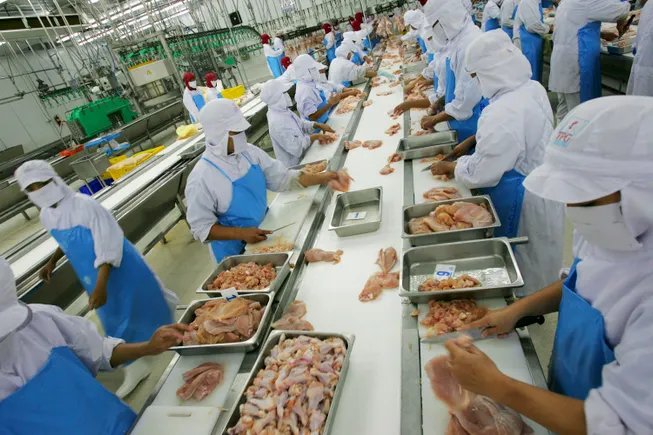
Meat processors in the US face labor shortage challenges as economy reopens
US meat processors are encountering labor shortages amid the post-pandemic economic reopening. Some Tyson Foods plants are understaffed, with the company piloting new shift schedules and enhancing benefits; companies like Sanderson Farms acknowledge hiring difficulties. The industry faces approximately 93,000 job vacancies overall, and while companies alleviate pressure through pay raises and automation, challenges remain severe.
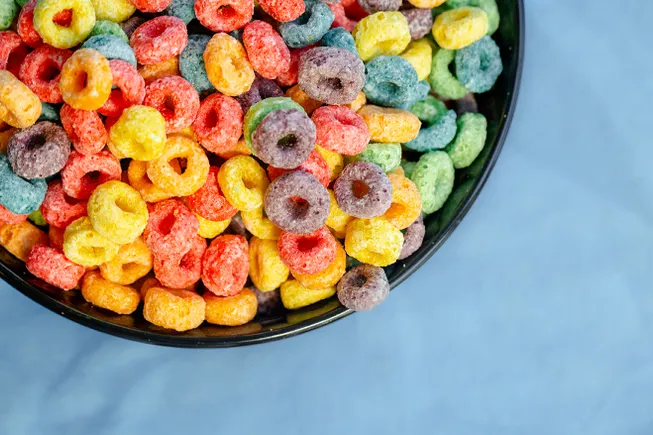
Food giants pause shift to natural colors: What conditions are needed to drive change?
Between 2015 and 2016, food giants such as Mars, General Mills, and Kellogg's pledged to remove artificial colors from their products, but most did not meet their deadlines. Consumer acceptance of products with natural colors, technical challenges, and cost issues have become major obstacles. Meanwhile, a California study suggesting that artificial colors may affect children's behavior could spark new regulatory discussions.
Under inflationary pressure, food and beverage manufacturers pass cost increases on to consumers
Under inflationary pressure, food and beverage manufacturers are passing on rising costs in packaging, transportation, and raw materials to consumers, with several major companies having announced price hikes or signaled future increases.
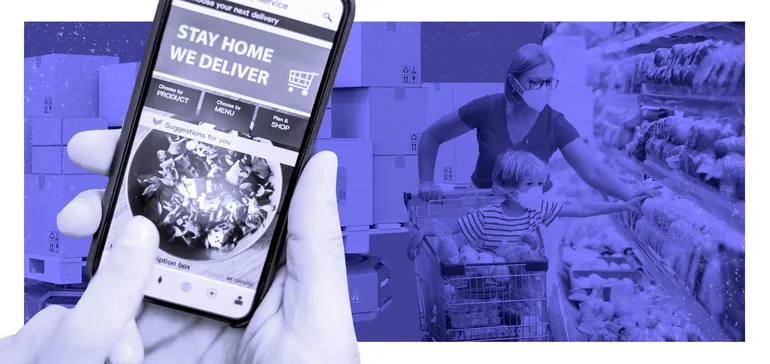
Where Will the Food Industry Go After the Pandemic?
As the United States gradually emerges from the shadow of the pandemic, large packaged food companies are betting that home consumption habits formed during the pandemic will endure. This article reviews strategic adjustments by companies such as Conagra, Kellogg's, and Coca-Cola, and cites multiple analysts' perspectives to explore growth opportunities, data investments, challenger brand competition, and inflationary pressures.

How the Pandemic Is Reshaping the Food Industry: Deep Insights into the CPG Demand Surge
The COVID-19 pandemic disrupted daily life but unexpectedly boosted the food and beverage CPG industry. From emptied supermarket shelves to a revival of home cooking, CPG demand has remained high, ending years of stagnant growth in the industry. Food Dive launches a four-part series analyzing the lasting impact of the pandemic on the food and beverage business.
The Battle Over Transparency of Health Impacts of Sugary Drinks: Harrington Investments' Proxy Contest with PepsiCo and Coca-Cola Signals More to Come
Harrington Investments, a small California-based investment firm, is engaged in a proxy contest with PepsiCo and Coca-Cola over transparency regarding the health impacts of sugary drinks. The firm is demanding that both giants disclose relevant information through independent reports, focusing on beverages marketed to children and young consumers. Votes will take place in April and May, and while support is low, it is trending upward, reflecting heightened attention to ESG issues among shareholders.