
Brand Survival in the Canned Cocktail Boom: Marketing Transformation from Convenience to Resonance
Canned cocktail sales surged 86.8% during the pandemic, but the market has become saturated post-pandemic, putting brands at risk of a shakeout. Marketing experts suggest that brands should strengthen identity recognition, precisely reach millennials, and leverage digital channels and cross-industry collaborations to stand out among numerous competitors.
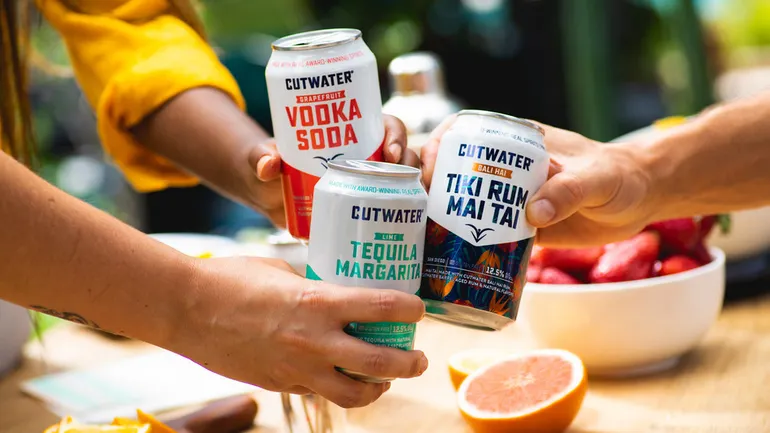
The canned cocktail category has continued to thrive in recent years, but as the pandemic eases and consumer habits shift, the market is increasingly separating brands with long-term potential from fleeting products. Industry experts point out that this turning point will require brands to connect more deeply with millennial drinkers.
According to Nielsen data cited by Drizly, in the five months before the pandemic, canned cocktails saw a year-over-year sales increase of 86.8% in the off-premise channel. This growth was fueled not only by the unique circumstances of the pandemic but also built on the market demand established by their predecessors and ready-to-drink (RTD) cousins like hard seltzer.
"Hard seltzer entered the market and opened a door for consumers seeking something light, refreshing, and with a more approachable alcohol by volume (ABV)," said Monica Rustgi, Vice President of Marketing for Beyond Beer at Anheuser-Busch InBev. "Canned cocktails truly satisfy the consumer need for convenience and portability."
For similar reasons, the category was a natural fit for countries undergoing prolonged lockdowns. During the pandemic, alcohol consumption among U.S. adults rose, and novelty-seeking consumers found that canned cocktails offered a simple, convenient, and economical way to try mixed drinks. Additionally, a series of restrictions made it difficult to access bars and restaurants, preventing consumers from purchasing freshly made cocktails, which further shifted their beverage expectations toward RTD products.
"We will likely see a shakeout because there are too many players entering the market, and there's limited space."
—Ed Rice, Executive Director at Affinity Creative Group
Combined with the early entry of strong brands, these factors created what Ed Rice calls a "perfect storm," opening up space for more players to flood in. "It's like turning on a faucet," Rice said. "Everyone wants to jump in and get a piece of the action."
But as the pandemic subsides and people venture out more frequently to bars, restaurants, and other social venues, Rice predicts the faucet will begin to shut off. At that point, brands must focus their marketing strategies on building brand identity, targeting millennial audiences, and proving their lasting value to consumers. "I think we will likely see a shakeout because there are too many players entering the market, and there's limited space," Rice said. "The brands that can build that familiarity and connection and sustain it will survive."
From Convenience to Connection
The core driver of canned cocktail success is convenience, especially compared to the labor-intensive process of making traditional cocktails from scratch. Brands have communicated this trait through marketing campaigns. In a partnership with the Governors Ball music festival, which was fully virtual last year, Bacardi promoted its RTD rum cocktails on Twitter using the hashtag #BacardiToGo and emphasized direct delivery to consumers' doors, as noted by DMS Insights.
However, as more people get vaccinated and venture out, brands must shift their marketing focus from convenience to connection. This requires marketers to craft a distinct personality around the product and emphasize clarity so consumers can quickly understand what the brand stands for. For a category like cocktails, where ingredients can be complex and pose a barrier to entry, delivering direct messaging is especially important. "When consumers return to the store, we have to remember the three-second rule," Rice said. "You have three seconds to catch someone three feet away because consumers move quickly in the store."
"The big beverage giants still have the most marketing budgets and the loudest voice."
—Kara Nielsen, Director of Food and Drink at WGSN
Given the many variants within the category and the need for canned cocktails to differentiate themselves from other RTD beverages, communication is especially critical. For example, if consumers don't know that canned cocktails use real spirits, while hard seltzers are made from fermented sugar or malt, they may be unwilling to pay a premium for cocktails. White Claw, though a hard seltzer, is a pioneer in the RTD industry and a prime example of a brand that successfully achieves this kind of communicative connection, according to Rice. "White Claw packs a lot of meaning," he said. "The white packaging conveys lightness and refreshment, and the claw print brings an edgy feel. Its marketing is fun and has attitude."
Know Your Audience
Canned cocktail brands must remember that their target audience differs from other RTD categories. Kara Nielsen, Director of Food and Drink at trend forecasting company WGSN, points out that millennial drinkers are one of the primary drivers of canned cocktails because they are not as attached to beer as previous generations. Although there is significant audience overlap between canned cocktails and hard seltzers, cocktails typically cater to older, more experimental palates. "Millennials love flavor, variety, and experimentation," Nielsen said, and canned cocktails offer a "low-barrier invitation to experiment."
To precisely reach millennials, Nielsen suggests leveraging digital channels, including advertising on delivery services like Drizly, which millennials have shown strong interest in. Partnerships with industries such as hospitality and travel can also help reach consumer groups that value experiences. "Can companies establish partnerships with airlines or hotel brands and then promote them?" Nielsen asked. "That could be excellent advertising."
Influencers can also build strong momentum for beverages on social media. But to avoid mistakenly appealing to audiences of other related categories, brands must choose partners carefully. For example, when promoting its canned gin and tonic product, Bombay Sapphire partnered with Bill Nye, leveraging 90s nostalgia to attract millennials. Similar to custom partners in hospitality and aviation, influencers with connections to people in their twenties and early thirties can serve as touchpoints to prioritize reaching millennial drinkers.
Small Brands Need to Double Down
The diversity of beverages within the category is one of its most prominent traits, Nielsen believes. But the flip side is that more brands are competing for limited premium shelf space. As beverage giants like Anheuser-Busch InBev and Diageo leverage their scale and distribution advantages to promote their own products, small brands must double down on efforts to attract consumers. "The big beverage giants still have the most marketing budgets and the loudest voice," Nielsen said.
Affinity's Rice agrees, but he still sees opportunities for brands with the right marketing strategy. "While distribution and shelf space are irreplaceable... building a brand that resonates with consumers and has strong demand is equally irreplaceable." Rice advises small niche brands to leverage product differentiators to stand out. For example, when marketing a limited series for Kyla (which blends spirits with kombucha to create "kombucha cocktails"), Affinity highlighted the beverage's health attributes.
Other niche brands are occasion-based, such as Picnic Brunch, which focuses on brunch. WGSN has identified a related "outdoor boom," where brands have capitalized on the new relationship people formed with nature during the pandemic. In short, a personality based on special occasions or ingredients can lead to deeper brand connections. "These niche players... look different," Rice said. "They have different flavor profiles... Once consumers fall in love with a product, they'll ask retailers for it."
However, the risks of being too niche also need consideration. Nielsen points out that if a brand focuses on golf-related experiences, the drink might alienate consumers who don't play golf or aren't interested. For Cutwater Spirits, an Anheuser-Busch InBev brand that recently launched golf-themed cocktails, the massive marketing budget and product line can offset the risks of a niche product. But for small companies whose entire portfolio is niche, the cost of failure is much higher. "When you limit the use occasions, it's hard to build any business," Rice said. "If you test a product... and see people nodding and saying 'this is great for camping,' that's almost a death knell."
