
Deep Dive
来自我们记者的行业洞察
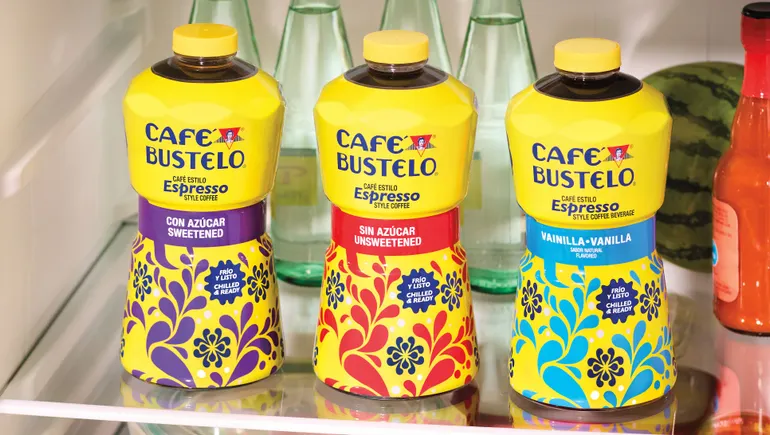
Cross-Category Expansion: Why Food and Beverage Giants Are Entering New Supermarket Aisles
As consumer habits evolve, food and beverage giants such as J.M. Smucker, Nestlé, and Kraft Heinz are extending established brands into new supermarket categories—from refrigerated coffee to shelf-stable mac and cheese. This article explores the drivers, success factors, and potential risks of brand extension, citing insights from several industry executives.
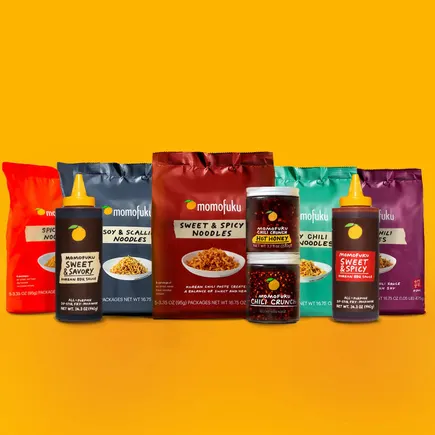
From Restaurants to Retail: How Michelin-Starred Brands Are Penetrating Supermarket Shelves
During the pandemic, high-end restaurants transformed their signature dishes into retail products to survive. Now, brands like Carbone and Momofuku are expanding revenue through supermarket channels, capturing the premium food market.
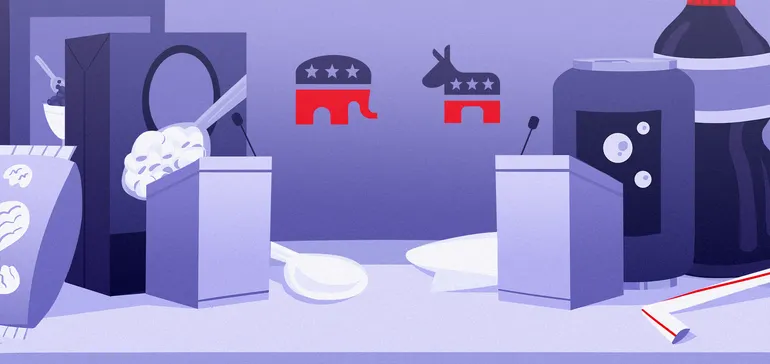
Political donations from major US food and beverage companies plummet by nearly half
A Food Dive analysis shows that as of September 22, political donations linked to the 15 largest US food and beverage companies totaled $4.5 million, compared to $8.2 million in the same period in 2020. If the trend continues, it would mark the lowest level for a presidential election cycle since 2008.
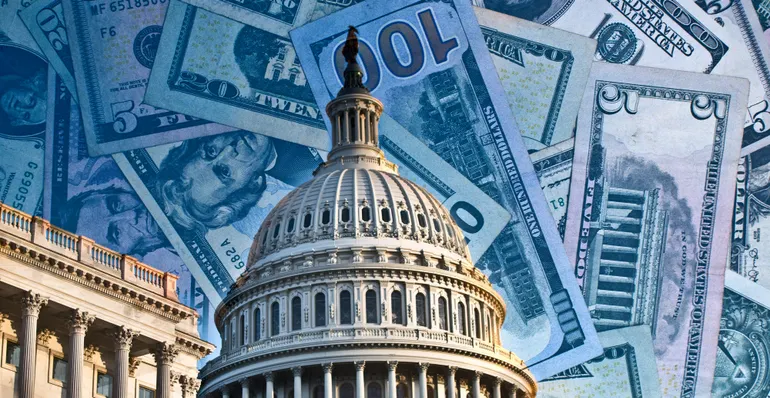
Agricultural Giants Increase Lobbying and Political Contributions for 2024 Election
Agribusiness political contributions in the 2023-2024 election cycle have reached $124 million, with Tyson Foods affiliates investing $886,000, about 80% of the total for the full 2020 cycle. Lobbying spending increased by 22% compared to 2019, setting a record of $178 million in 2023. Experts warn that financial advantages are squeezing the survival space of small and medium-sized organizations and reform agendas.

2024 Election: Trump vs. Harris on Agricultural Policy Positions
In the 2024 election, agricultural policy has become a key battleground for both parties vying for swing states. Harris focuses on combating price gouging and expanding competition, while Trump advocates for tax cuts, deregulation, and strict immigration policies. This article compares their positions on issues such as food inflation, labor, climate, and trade.
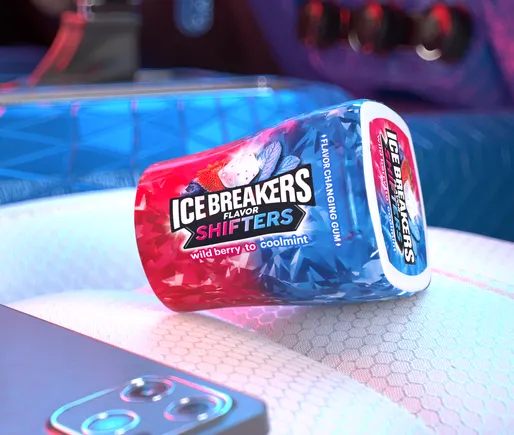
Gum manufacturers respond to sales decline challenges with innovation
Gum sales declined sharply during the pandemic, and although they have recently recovered, overall consumption trends remain sluggish. To turn the situation around, Hershey has launched new products with flavor variations, Mars Wrigley is cross-industry blending candy flavors, and startup brands are focusing on natural or functional ingredients. The industry is seeking breakthroughs through diversified innovation.
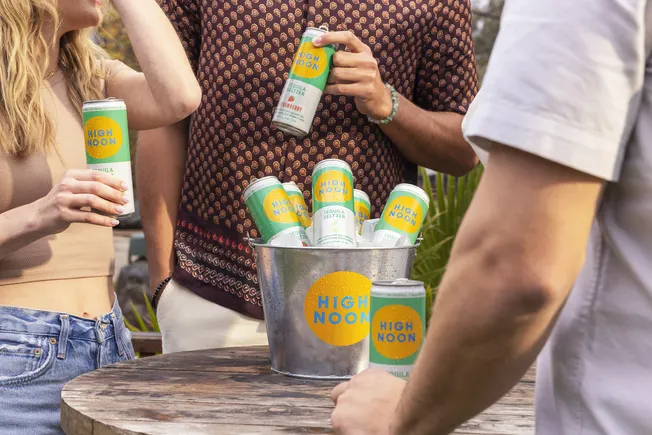
Hard seltzer pioneered a new category; can canned cocktails sustain long-term growth momentum?
Hard seltzer disrupted the alcohol industry in the late 2010s, and the canned cocktail category it spawned has since expanded to include spirit-based mixed drinks. Industry research institutions and producers are discussing the sustainability of this trend.
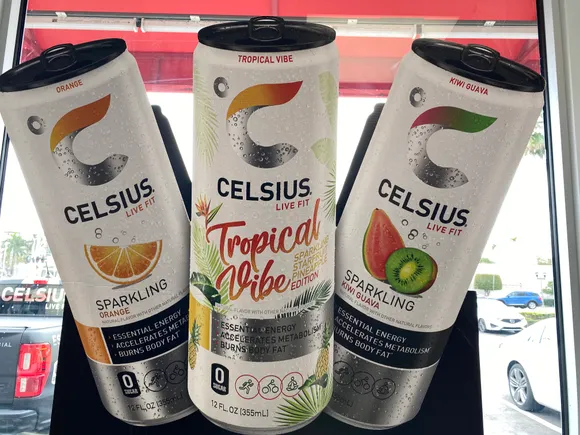
From Obscurity to Category Giant: The Evolution of Celsius Energy Drinks
Celsius Holdings has grown from an industry unknown with a market value of $5 million in 2012 to an energy drink giant with annual revenue exceeding $1.3 billion and a market share of about 11%. Its success stems from health-oriented positioning, unique flavor combinations, precise marketing, and category expansion dividends. However, recent data shows that declining consumer purchase intent, slowing category growth, and lack of innovation are now testing the company.