
Mondelez International's Renewal Strategy: Rebranding Toblerone and Milka
Mondelez International is undertaking the largest brand renewal in decades for its Toblerone and Milka chocolate brands. Toblerone focuses on packaging modernization and brand asset enhancement, while Milka adjusts its recipes and mold shapes to cater to younger consumers' preferences for taste and sustainability. Both initiatives aim to address the premiumization trend in the chocolate market and increase consumer purchase frequency.
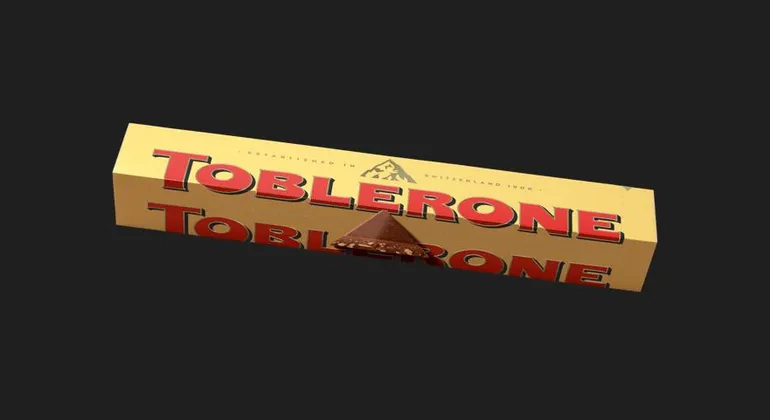
When executives at Mondelēz International were planning a "transformation" for its 114-year-old Toblerone brand, they quickly reached a consensus: in a fiercely competitive market, double down on what makes the brand unique.
"We approached everything with this challenger, disruptor mindset, not following the rules," said Nick Rees, chief creative officer and partner at brand design firm Bulletproof, who helped Mondelēz with the Toblerone overhaul.
Although Mondelēz is known in the U.S. for Oreo, Ritz, and Triscuits crackers, the global snack giant's important business segments lie in chocolate and premium products. Over the past few years, Mondelēz has acquired Clif Bar, Hu, which focuses on simple-ingredient snacks and chocolate, and cookie maker Tate's Bake Shop to deepen its presence in the U.S. market.
At the same time, Mondelēz has also carefully reviewed its portfolio, seeking ways to modernize best-selling brands like Toblerone and Milka chocolate. The company announced in December that it would sell its gum business in developed markets for $1.35 billion, involving brands such as Trident, Dentyne, and Chiclets.
Edward Jones analyst Brittany Quatrochi noted that Mondelēz aims to keep brands top-of-mind for consumers by updating packaging designs, adjusting ingredients, or promoting the company's sustainability efforts. She believes these changes are especially important in the current environment—when Mondelēz and other food companies raise prices, novel products provide added value for consumers, thereby increasing purchase intent.
"You'll see them continuously investing in these brands to keep them fresh, novel, and drive sales growth," Quatrochi said. "Ultimately, these investments benefit consumers, creating stronger engagement with the brand, which in turn drives sales growth and the company's long-term development."
The catalyst for the biggest brand overhaul in decades
Toblerone was founded in Switzerland in 1908 by Theodor Tobler, and its longevity lies in rejecting the shapes, flavors, and packaging styles of competitors. To a large extent, this strategy has worked.
Beyond its distinctive triangular shape, Toblerone also offers a crunchy, smooth, and chewy texture unlike other chocolates. Additionally, its widespread presence in airports and other travel venues gives it extremely high recognition among consumers—Mondelēz says about 73% of people in the U.S. have heard of the brand.
However, despite high awareness, when shoppers were asked which chocolate brands they would consider or want to buy, that percentage plummeted to 3%.
Mondelēz decided to undertake the largest refresh of Toblerone in nearly three decades, driven by goals to enhance brand equity, increase its visibility in stores, and expand the times of year when consumers might eat or gift the product.

Father's Day, Valentine's Day, and Christmas remain lucrative consumption holidays, but Mondelēz hopes Toblerone can play a bigger role in other occasions, such as birthdays, local celebrations, and everyday snacking.
Over the years, traditional brands have drawn attention in the industry, but the premiumization wave has penetrated many areas of food and beverage, and chocolate is no exception. Mondelēz saw an opportunity to win in the premium chocolate market by changing Toblerone's packaging, reshaping its in-store marketing, and its social media promotion strategy.
Even in the comprehensive overhaul of Toblerone, Mondelēz was careful not to undermine the brand's core value or heritage, but rather to build on its key strengths. This is why all changes were limited to the exterior of the packaging—Mondelēz firmly refused to change the taste, texture, or appearance of the Swiss chocolate.
A chocolate that had become "too corporate"
Before launching the refresh, Rees and others delved into the brand's iconic history, poring over advertisements, posters, and other materials in books to understand how Toblerone had been presented in the past—how the candy was described, what colors were used on packaging, and how the Swiss mountain imagery had evolved.
One phenomenon immediately caught their attention: subtle changes in packaging graphics over the years had gradually stripped the brand of some of its distinctiveness and detail. Mie-Leng Wong, senior vice president of global brands at Mondelēz, said in an interview that it had become "too corporate."
To bring the chocolate brand back to its roots, the snack giant modernized the packaging, returning to more original typography and enlarging the Toblerone brand name so it extends to the edges of the triangular packaging.
On the packaging, a wedge-shaped image of a triangular chocolate piece is placed at the center of the brand name, deliberately covering the "E" and "R" in the name—something typically avoided in the marketing world. Rees and Wong said this carefully designed layout aims to highlight the chocolate itself and reinforce the brand's disruptive image.
Wong said the rollout of the new packaging has shown signs of payoff so far and has given Mondelēz confidence in its success in other markets. In the UK—where the new packaging launched first in the third quarter of 2022—the brand has achieved "significant premium chocolate market share growth."
The updated Toblerone packaging is scheduled to hit U.S. shelves in the third quarter of this year.
Adding heft and improving taste for "light" buyers
Although Mondelēz did not change Toblerone's recipe, the global food company took a distinctly different approach with the Milka brand—its first major overhaul in a quarter-century.
To create a silkier, more chocolate-forward Milka taste, the company explored different recipes and mold shapes. Amy Tay, senior director of Milka, said it was a risky move given the 121-year-old brand's popularity and recent strong performance.
Milka, whose name comes from a combination of milk and cocoa, has been one of Mondelēz's better-performing chocolate brands. According to the company, 95% of the candy's sales come from Europe, with annual growth in the double digits, while both market share and household penetration have increased.
But Mondelēz wants to increase purchase frequency among so-called "light" buyers—consumers who buy Milka only once or twice a year—to complement its core heavy consumer base.

"This is one of our largest, boldest, and most courageous projects," Tay said. "It's a big step, and big moves can work in our favor, but they can also backfire. We had to be careful."
Mondelēz visited approximately 8,000 consumers across 10 different countries to understand their preferences regarding Milka's taste, quality, and perception. The research found that most respondents, especially younger shoppers, wanted a softer, silkier, melt-in-your-mouth experience and desired lower sugar. The company also found that, where possible, shoppers preferred sustainably sourced ingredients.
Mondelēz then set out to integrate these changes, ultimately settling on a recipe that reduces sweetness and increases cocoa content to enhance chocolate flavor. Meanwhile, the logo promoting the company's "Cocoa Life" program—which aims to address environmental and human rights challenges and improve the livelihoods of sustainable cocoa farmers—was moved from the back of the packaging to the front, where it is now prominently displayed.
The visual identity was also strengthened to reflect the improved taste experience. Instead of rectangular molds with sharp corners and flat tops, Milka now uses molds that produce rounded corners and pillow-like tops—resulting in a silkier texture and shaping the brand's gentle, humble image. The Milka logo was enlarged, and the brand's mascot cow, Lila, was added to the first piece of every chocolate bar.
So far, signs from the redesign are encouraging. Tay said sales are trending upward, and retailers are more willing to increase in-store displays. Mondelēz says that as consumer and retailer confidence in the brand reaches historic highs, the company is committed to continuing to invest resources in the new recipe.
"This isn't a one-and-done. We're not going to talk about it for 10 weeks and then move on to the next campaign," Tay said. "We're continuing to build on this."