
Policy
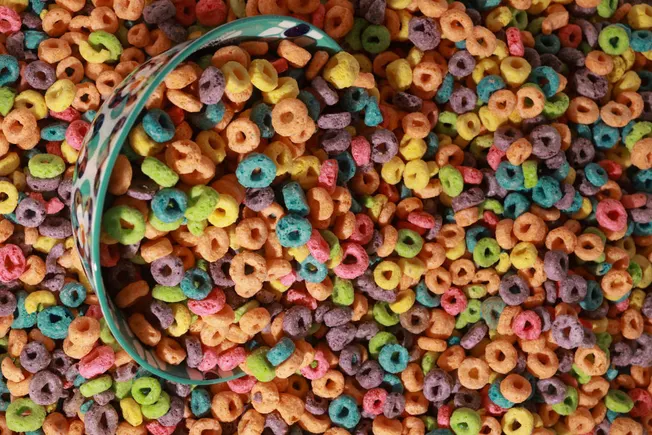
Trend of Natural Pigments Replacing Artificial Dyes Emerges, Food Sales Data Reveals Shift in Consumer Attitudes
A joint report by the National Confectioners Association and RTI International shows that from 2024 to 2025, food sales using natural pigments grew by 24.4%, while products with artificial dyes only grew by 0.1%. In the candy and beverage categories, sales of natural pigment products increased by nearly 20% and 12%, respectively, whereas artificial dye products grew by only 0.2%. Although synthetic dyes still hold a larger market share, consumer acceptance is slowly improving.
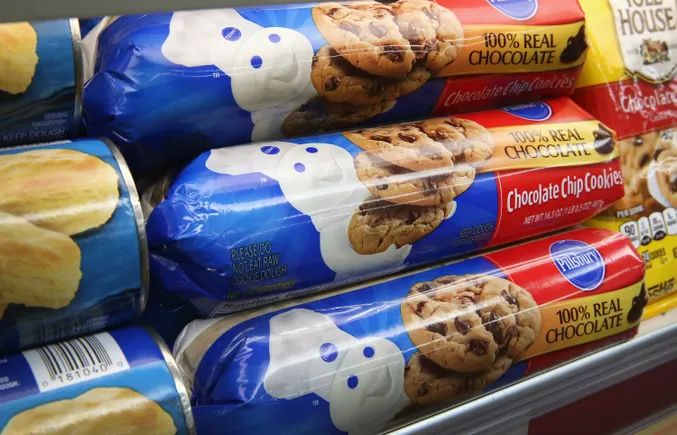
Florida Subpoenas General Mills in Potassium Bromate Investigation
The Florida Attorney General's office has launched an investigation into potassium bromate, with the first civil subpoena directed at General Mills and its Pillsbury brand. The probe will involve product documents, safety studies, and executive knowledge, and may expand to other related companies.
FDA Food Chief Says Defining Ultra-Processed Foods Is 'Quite Challenging'
Donald Prater, Acting Deputy Commissioner for Foods at the FDA, acknowledged on Tuesday that crafting the long-awaited official definition of ultra-processed foods is 'quite challenging,' but he emphasized it remains a 'priority' for the agency. In a keynote address at the IFT First meeting in Chicago, Prater noted that the relevant science is still evolving and that multiple definitions exist, with the FDA evaluating different proposals to find a reasonable approach. Previously, Health and Human Services Secretary Robert F. Kennedy Jr. had pushed the FDA to release a proposed definition by April, but that has not yet happened.
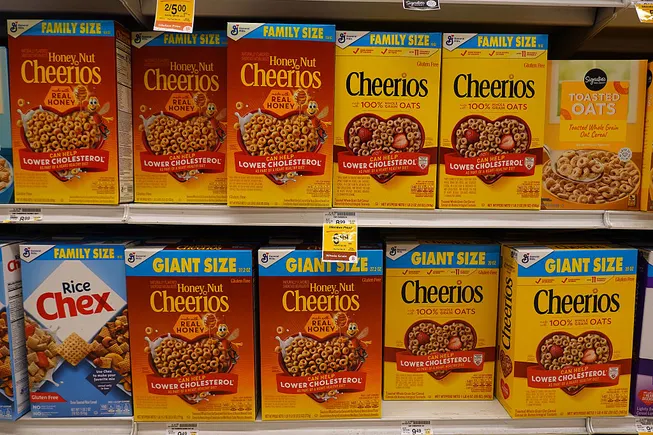
General Mills Announces Comprehensive Supply Chain Revitalization Plan
General Mills Chief Operating Officer Dana McNabb revealed during the earnings call on July 1 that the company is planning a thorough overhaul of its aging supply chain to meet the demands of faster innovation and packaging flexibility. This reform is part of the company's plan to achieve cumulative cost savings of $3 billion by 2030, with approximately $1 billion expected to come from process improvements and technology applications.
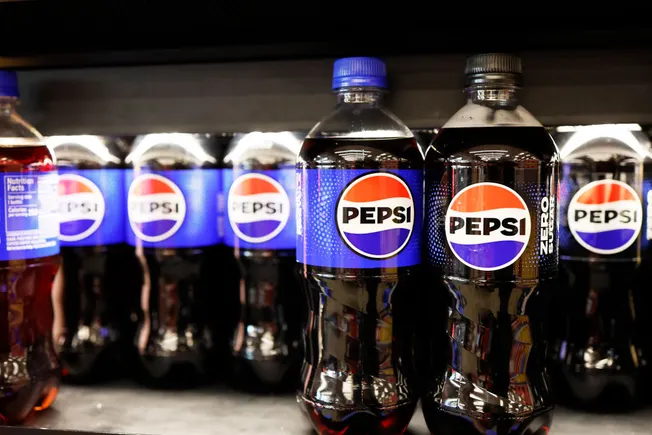
PepsiCo CFO: Tariff refunds will help hedge against inflationary pressures
PepsiCo Chief Financial Officer Steve Schmitt said on Thursday's earnings call that the tariff refunds the company has applied for are expected to contribute approximately 1 percentage point to earnings per share growth this year, providing necessary support as the company navigates rising costs and shifts in consumer spending patterns. The company reported second-quarter net revenue of $24.2 billion, up 6.4% year over year, and core earnings per share of $2.20, up 4% year over year.

For Producers, for the Planet: Why Farmland Protection Is Indispensable
Although farmland protection practices hold long-term ecological value, they are often deprioritized by producers without economic incentives. The article outlines the specific benefits of regenerative agriculture in carbon sequestration, water quality, and biodiversity, and emphasizes that through supply chain collaboration and incentives, the large-scale adoption of conservation tillage can be accelerated.
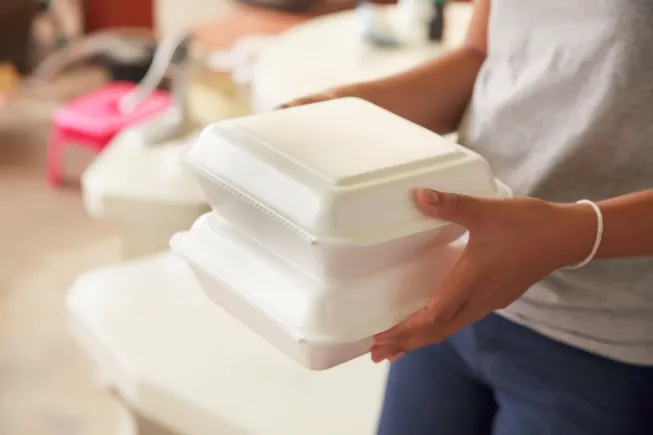
California Unifies Food Date Labeling Standards, Virginia Bans Foam Food Containers
On July 1, 2026, multiple U.S. states will simultaneously enact a batch of packaging-related regulations: California prohibits the use of "sell by" labels and unifies quality and safety date terms; Virginia expands the polystyrene foam food container ban to all food providers; Connecticut imposes labeling requirements on products containing PFAS; Washington state's producer responsibility organization registration deadline arrives.
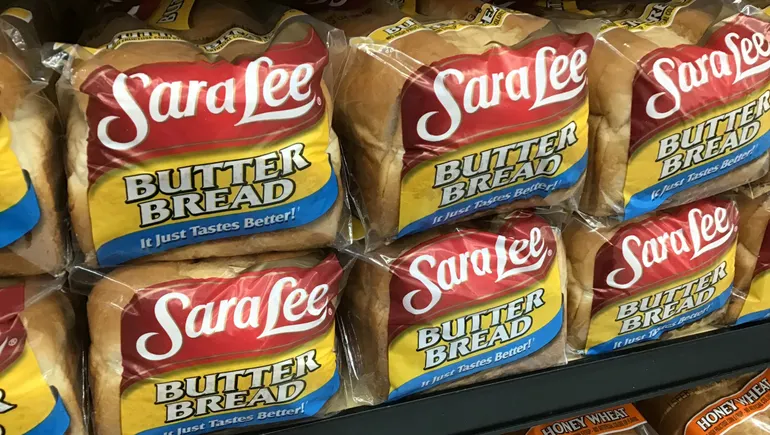
Bimbo Bakeries USA Commits to Removing Artificial Additives from Five Major Brands Within Five Years
Bimbo Bakeries USA announced a major commitment last week covering its five major brands: to gradually eliminate artificial preservatives, colors, and flavors from its products by the end of 2028. Among these, brands such as Artesano, Oroweat, and Rustik Oven will complete the transition first by the end of 2027, while brands like Sara Lee, Little Bites, and Thomas' English Muffins must meet the target by the end of 2028. The company claims to be the first in the baking industry to make such a commitment across such a broad product portfolio.
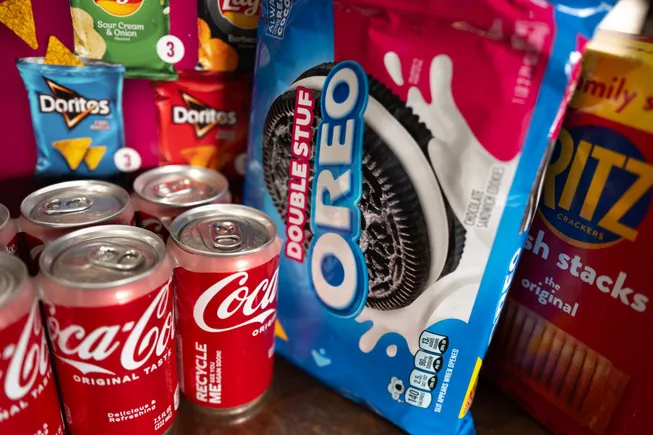
Food giants win lawsuit over ultra-processed food addiction
The U.S. District Court for the Eastern District of Pennsylvania permanently dismissed a lawsuit against food giants such as Kraft Heinz and PepsiCo, as plaintiffs failed to prove that ultra-processed foods caused their health issues.