
Trend of Natural Pigments Replacing Artificial Dyes Emerges, Food Sales Data Reveals Shift in Consumer Attitudes
A joint report by the National Confectioners Association and RTI International shows that from 2024 to 2025, food sales using natural pigments grew by 24.4%, while products with artificial dyes only grew by 0.1%. In the candy and beverage categories, sales of natural pigment products increased by nearly 20% and 12%, respectively, whereas artificial dye products grew by only 0.2%. Although synthetic dyes still hold a larger market share, consumer acceptance is slowly improving.
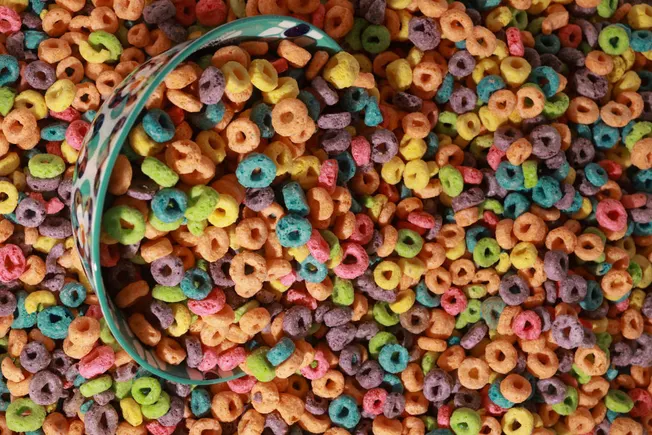
A new report jointly released by the National Confectioners Association and RTI International shows that between 2024 and 2025, sales of foods using natural colors increased, indicating that more consumers support the food industry's gradual phase-out of artificial dyes. Meanwhile, sales of foods using artificial colors saw a slight decline.
This new data comes as food manufacturers face significant pressure to remove synthetic dyes. The U.S. Food and Drug Administration (FDA) has required the industry to phase out artificial colors by the end of the year, and some states have directly legislated bans on their use.
Candy and beverage companies have been the most cautious group in making the transition, especially because vibrant colors are crucial to how consumers perceive brands. Food companies like Mars pledged a decade ago to remove artificial dyes, but abandoned these commitments after a few years when they found consumers were unwilling to buy natural-color products with duller appearances.
However, the new data from the National Confectioners Association suggests that consumer acceptance may be shifting.
The report shows that products using non-synthetic colors overall outperformed those using certified colors. For example, in 2025, sales of foods and beverages labeled with "natural colors" on their ingredient lists grew by 24.4%, while products labeled with "artificial colors" grew by only 0.1%.
Candy and beverages, the two categories most reliant on artificial dyes, also showed similar trends. Sales of candy labeled with "natural colors" grew by nearly 20%, while products labeled with "artificial colors" grew by only 0.2%. In the beverage sector, sales of products labeled with "natural colors" grew by 12%, while "artificial colors" products also saw sales growth of only 0.2%.
'Slow but steady' growth
Despite rising consumer acceptance of natural colors, synthetic dyes still account for a significant share of sales in categories like candy. RTI noted that products containing one of the six FDA-approved certified colors generated approximately $57.8 billion in sales, representing 7.1% of total food and beverage sales.
The RTI report found that supply issues and higher prices will make it difficult for the industry to quickly transition away from certified colors. The current market volume of certified colors is twice that of non-certified colors, while the supply of natural dyes has only increased slightly over the past five years.
Switching to non-certified colors can also be an expensive and time-consuming process, requiring new equipment and product formulation adjustments to ensure the new dyes perform as intended in products. RTI stated that reformulating each SKU typically costs between $50,000 and $500,000, covering stability verification, sensory testing, and regulatory review.
Nevertheless, companies that have already made the transition have reaped rewards. PepsiCo's Simply NKD Doritos and Cheetos—dye-free alternatives to traditional snack brands—generated $3 million in sales in their first month on the market, according to Circana data cited by RTI.
Meanwhile, Atkinson Candy Company, a small Texas-based candy company, saw dollar sales of its Chick-O-Stick crunchy peanut candy grow by 60% within five years of switching to no artificial colors.
As more companies undertake dye replacement, the National Confectioners Association said food companies need "regulatory certainty before making long-term investments."
"This research clearly shows that replacing synthetic food dyes is far more than a formulation challenge—it is a supply chain transformation," said John Downs, president and CEO of the National Confectioners Association, in a statement. "The ingredients, agricultural capacity, manufacturing systems, and infrastructure needed to support this transition cannot be built overnight."