Deep Dive
来自我们记者的行业洞察
Food Giants' Sustainable Packaging Goals Meet Supply-Demand Realities
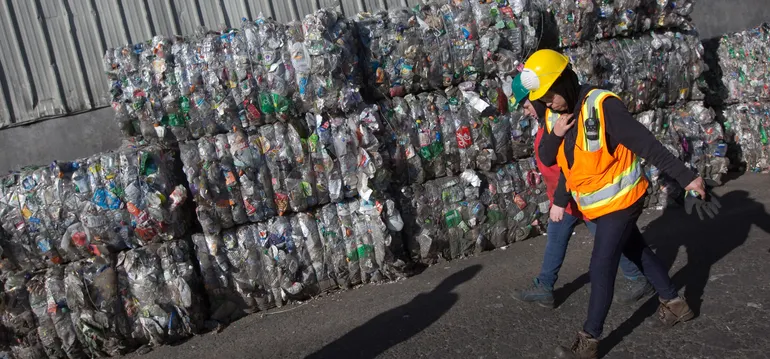
Over the past two years, food giants such as Keurig Dr Pepper, PepsiCo, and Mondelēz have set goals to cut virgin plastic packaging, but the pandemic, extreme weather, the Russia-Ukraine conflict, and structural deficiencies in the U.S. recycling system have led to insufficient supply of recycled materials and sharp price volatility. Experts point out that some commitments lack a foundation for realization and are difficult to fulfill in the short term. Alternative materials like paper also face rising costs, while high energy prices and decarbonization pressures are reshaping the industry landscape.
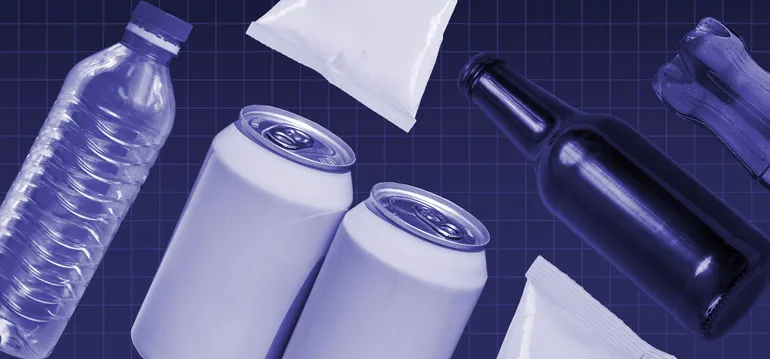
Tracking Sustainable Packaging Innovation Trends in the Food and Beverage Industry
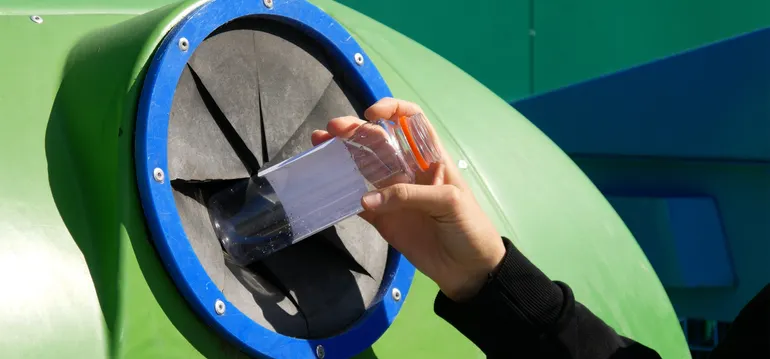
The food and beverage industry is accelerating its transition to sustainable packaging to tackle the challenge of plastic pollution. UN data shows that global plastic waste increased from 2 million tons in 1950 to 348 million tons in 2017, with projections to double by 2040. Giants like Nestlé and PepsiCo have committed to making 100% of their packaging recyclable, reusable, or compostable by 2025. In recent years, Kraft Heinz, Molson Coors, Chobani, and others have introduced paper-based alternatives. Consumer interest and pressure from activist investors are jointly driving this trend, and this tracker will continue to update related innovations.
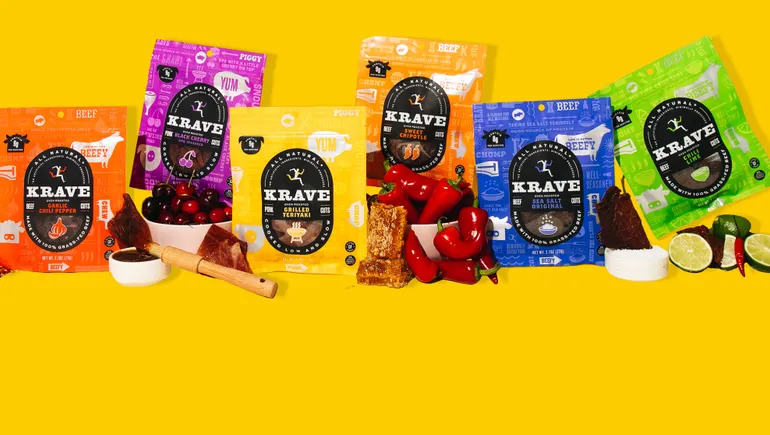

New Trends in Spirulina Applications: From Natural Blue Pigment to Multifunctional Nutritional Ingredients
As consumer interest in sustainability and natural foods grows, spirulina, as a nutrient-rich microalgae, is gaining attention in the food industry. Several startups, including Gavan, Back of the Yards Algae Sciences, Ful Foods, and We Are The New Farmers, are working to develop new applications for spirulina, such as natural blue pigments, umami enhancers, plant-based meat ingredients, and healthy beverages, to overcome challenges like its bitter taste and color instability, and to expand the market.
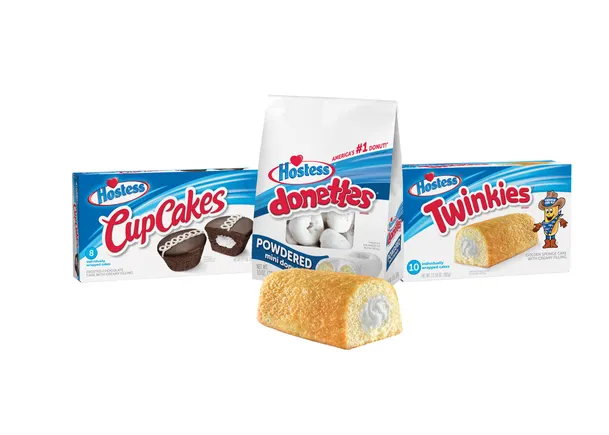
A Century-Old Snack Portfolio Refreshed: Hostess Brands Positions Classic Brands for the Next Century
At the helm of Hostess Brands, which owns classic brands like Twinkies and Ding Dongs, CEO Andy Callahan is driving growth through innovation and acquisitions. After emerging from bankruptcy restructuring, the company has posted revenue growth exceeding 9% for eight consecutive quarters and is targeting snack consumption scenarios valued at over $50 billion.
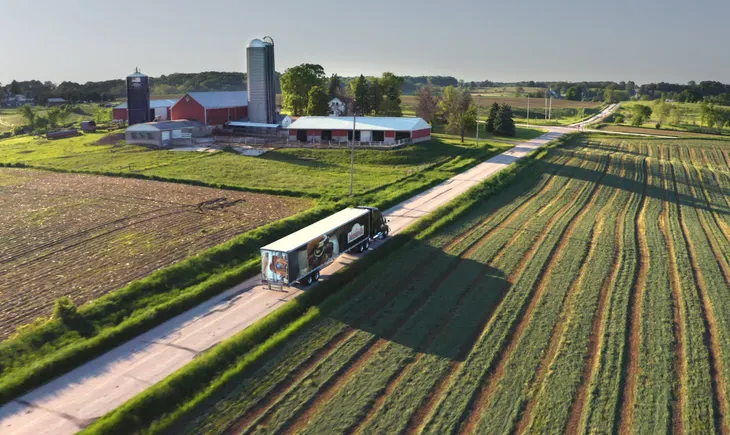
Food suppliers venture into logistics to cope with soaring trucking rates
In recent years, the trucking market has seen price increases due to surging freight volumes, compounded by equipment shortages and delays, putting pressure on the food supply chain. Companies such as Roam Ranch, Simpli, and Marx Imports are attempting to alleviate logistics bottlenecks by building their own fleets, rerouting to less congested ports, and deepening partnerships.