
A Century-Old Snack Portfolio Refreshed: Hostess Brands Positions Classic Brands for the Next Century
At the helm of Hostess Brands, which owns classic brands like Twinkies and Ding Dongs, CEO Andy Callahan is driving growth through innovation and acquisitions. After emerging from bankruptcy restructuring, the company has posted revenue growth exceeding 9% for eight consecutive quarters and is targeting snack consumption scenarios valued at over $50 billion.
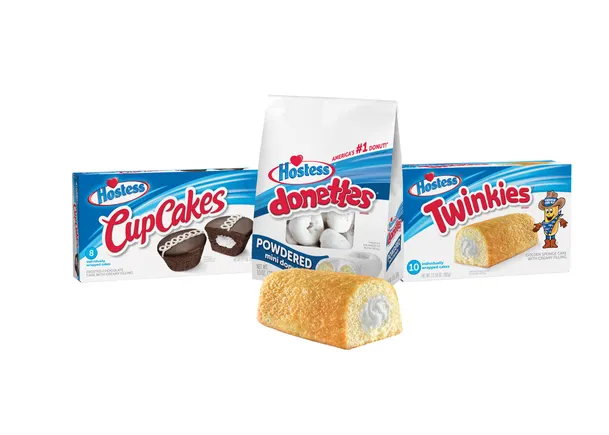
For Andy Callahan, CEO of Hostess Brands, transforming the century-old company known for iconic products like Twinkies, Ding Dongs, and Donettes into a "snacking powerhouse" is as much about looking to the future as it is about his personal career journey.
Nearly two decades ago, this veteran consumer packaged goods executive oversaw Kraft's most profitable Singles cheese business. At the time, Kraft discovered that the selling point used for years to differentiate the brand—added calcium—was no longer enough to attract consumers. The once-distinctive "extra calcium" concept had permeated products like orange juice, energy bars, and pasta, giving consumers multiple ways to get this mineral beneficial to bones and teeth.
Although Callahan recognized the brand needed change to regain its edge, he recalls being constrained by executives whose careers were built on Kraft Singles' success. They were "desperately" hoping the past success model would continue and never truly "dug deep" to question whether their brand strategy had become outdated.
"I vowed never to let that happen again," Callahan said in an interview. "I believe in being true to consumer needs and being decisive and bold in product strategy."

Now, the 56-year-old executive is applying lessons from Kraft to further drive Hostess's transformation, keeping the company relevant in a rapidly evolving landscape where consumer habits are shifting and well-funded competitors are circling.
Sincetaking over in May 2018, Callahan has focused on accelerating innovation, expanding its iconic brands across all-day eating occasions, and strengthening Hostess's balance sheet to enhance its acquisition capacity, complementing its portfolio of cream-filled yellow cakes and chocolate-coated mini donuts.
"We can't worry about the past. We set innovation goals to stay relevant," said Callahan, a former naval flight officer. "Our brands have high awareness and strong connections, which is a powerful starting point to unlock. Our brands stand for something."
From bankruptcy to high growth
Hostess's past nearly erased the company's hopes of survival. A decade ago, Hostess was on the brink of collapse. Under the weight of a complex labor framework, thousands of delivery routes, and a production system bloated by a series of acquisitions, the company filed for bankruptcy for the second time in eight years.
In 2013, the snack cake supplier was acquired out of liquidation by private equity firms, with the goal of returning with a leaner, more sustainable operating model. Hostess, whose history dates back to 1919, went public again in 2016, and in subsequent years invested in staffing and analytics capabilities while streamlining its product portfolio and filling its innovation pipeline.

Thanks to restructuring, growing consumer demand for snacks, and a brand portfolio including Ho Hos, Donettes, and the "ageless" Twinkie, Kansas-based Hostess quickly became a standout in the food sector. Its products are available across nearly all channels where consumers shop, including club stores, discount stores, mass merchandisers, and grocery and convenience stores—the latter two contributing over 70% of its dollar sales.
The company has posted revenue growth exceeding 9% for eight consecutive quarters, and its share of the sweet baked goods market has risen by more than 4 percentage points over the same period, reaching just over one-fifth of the category. According to Nielsen data provided by the company, Hostess has achieved a compound annual growth rate of 10% over the past few years, outpacing competitors' 4% growth.
"We don't have a legacy product portfolio dragging down growth, so we really have an advantage compared to those big companies," Callahan said. "There are many brands out there that become stale and irrelevant."
Despite recent success, Hostess still faces pressure from further shifts in food consumption, especially as its portfolio is tied to sweets and indulgent consumption, as well as innovation competition from other large consumer packaged goods companies.
Paul Earle, an adjunct lecturer at Northwestern University's Kellogg School of Management and co-founder of a nutrient-dense mac and cheese brand, said consumers' perception of Hostess as a provider of high-sugar, unhealthy snacks could weigh on its brands as trends return to pre-pandemic norms.
Although shoppers gravitated toward nostalgic brands and familiar products during the pandemic, Earle sees this as temporary. He said Hostess's growth will weaken as emerging brands and companies with healthier attributes or a focus on sustainability and environmental consciousness capture a larger share of consumer spending.
According toresearch released by Mondelez International in January, most consumers are incorporating their values into the snacks they buy. The data suggests these values, encompassing so-called "broader awareness," could intensify in the coming years.
"I'm certainly not cursing Hostess," Earle said. "Granted, you can have great success when people reflexively return to very simple, familiar things during a pandemic, but I wouldn't bet on that for the future."
A "smarter, sharper" company
Hostess will undoubtedly face stiff competition from other large consumer packaged goods companies with equally well-known brands and deeper pockets, such as Oreo parent Mondelez International, Reese's and Kisses maker Hershey, and Mars Wrigley, the private company behind M&M's and Kind bars.
To expand sales and compete with these giants, Hostess is betting its future on the fastest-growing snacking occasions—morning sweets, lunch, afternoon treats, immediate consumption, and afternoon sharing—which together are valued at over $50 billion.
Over the past year, Hostess has launched Baby Bundts to tap into the morning sweets occasion, Crispy Minis shareable snacks, andHostess Boost Jumbo Donettes—a larger version of its best-selling mini donuts with slightly less caffeine than a cup of coffee, aimed at consumers seeking a morning pick-me-up or afternoon boost.

Hostess is also seeking growth through mergers and acquisitions, hoping to replicate the 22% sales growth it achieved afteracquiring Voortman in 2020. Callahan said Hostess has up to $2 billion available for deals to "truly scale the company."
He said Hostess is targeting category-leading brands that can strengthen its position in existing areas or help it enter new segments, as Voortman did in wafers and sugar-free cookies. Any acquisition also needs to be scalable and easily integrated into its existing distribution network.
Stephens analyst Ben Bienvenu said Hostess is now a "smarter, sharper" company, benefiting not only from food industry trends like snacking but also from internal initiatives that give it a clear edge over competitors. He noted the company has prioritized improving product quality, strengthening data-driven decision-making, and smartly refreshing its portfolio through innovation and acquisitions.
"Building the brand equity and awareness of Twinkie, Ding Dong, and some of our other businesses is extremely costly. But bringing them back in a way that is just as relevant or meaningful as they were a hundred years ago is magical to me."

Andy Callahan
CEO, Hostess Brands
During the peak of the pandemic, Hostess outperformed competitors in keeping shelves stocked, deepening its relationship with consumers, Bienvenu said. The overall strength of the Hostess brand and its market positioning as an impulse purchase made it easier to raise prices in a natural way to offset pressure from rising input costs and supply chain disruptions.
Earlier this month,Hostess announced it would invest up to $140 millionto convert an idle Arkansas plant into a bakery to meet growing demand for its cakes and Donettes, its largest brand with annual sales of $500 million.
"They're really riding the wave and taking full advantage of it," Bienvenu said. "Compared to some of their larger peers, they've executed exceptionally well."
Although rising gas prices could impact convenience store sales, and a return to normalcy in the supply chain could erode some of the advantages Hostess has built over the past months, Bienvenu sees these risks as minimal for the company and overshadowed by strong business performance. He expects Hostess to gain more shelf space, distribution, and consumer awareness.
"They have momentum right now," he said. "A lot of credit goes to the management team. They've done a fantastic job over the past two years."
For Callahan, driving growth and staying relevant in a crowded marketplace is deeply influenced by his sense of responsibility as steward of a brand portfolio that has been a staple on shelves for years while hundreds of thousands of other products have been forgotten. He won't let Hostess become the next footnote in the food industry.
"We are stewards of this hundred-year-old brand. It's our turn, and we'll pass it on to the next generation," he said. "Building the brand equity and awareness of Twinkie, Ding Dong, and some of our other businesses is extremely costly. But bringing them back in a way that is just as relevant or meaningful as they were a hundred years ago is magical to me."