
Cyclosporiasis outbreak impacts US fruit and vegetable sales: salad platters and pre-cut vegetable packs see declining sales
The cyclosporiasis outbreak continues to impact US agricultural product sales. Numerator data shows that in the month ending July 26, over 6.5 million households stopped buying salad platters and pre-cut vegetable packs; about 10% of households reduced spending on salads and leafy greens, and more than a quarter of households completely stopped purchasing. The outbreak may put approximately $280 million in monthly agricultural product consumption at risk. Most consumers plan to resume purchases after the outbreak ends, but fresh produce sales face pressure in the short term.
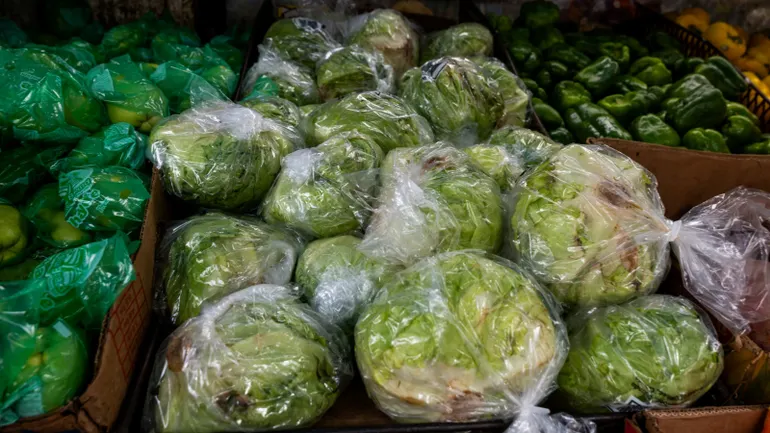
The ongoing cyclosporiasis outbreak in the United States has significantly impacted produce sales. Market research firm Numerator released survey data on Wednesday showing that consumers are reducing purchases of salad mixes and pre-cut vegetable packs to avoid infection risks.
Numerator reported that in the month ending July 26, over 6.5 million U.S. households stopped buying salad mixes and pre-cut vegetable packs. The company noted that approximately 72 million households continued purchasing such products during the same period.
Numerator added that 10% of households said they had reduced spending on salads and fresh leafy greens, while more than a quarter of households completely stopped buying these foods. The company estimates that consumer responses to the outbreak are putting approximately $280 million in monthly produce spending at risk.
Additionally, although nearly half of respondents said they had or planned to substitute canned or frozen vegetables for fresh produce, consumers did not fully replace the fresh produce they stopped buying. On the other hand, Numerator found that over 80% of consumers who paused purchases of salad mixes and pre-cut vegetable packs intend to resume buying these items once the outbreak ends.
The findings are based on survey responses from more than 3,000 fresh produce buyers collected by Numerator on July 31.
Cyclosporiasis, caused by the Cyclospora parasite, can trigger a range of gastrointestinal symptoms, including nausea, diarrhea, and cramps, and can be fatal in severe cases. Not everyone infected with the parasite develops symptoms.
According to the U.S. Centers for Disease Control and Prevention (CDC), as of Thursday, public health officials have recorded nearly 11,000 cases of cyclosporiasis linked to this outbreak. The outbreak has led to approximately 450 hospitalizations and two deaths.
Officials traced the outbreak to contaminated iceberg lettuce grown in central Mexico and distributed by Taylor Farms. The company has recalled the product, and the CDC stated that it should no longer be sold in stores or restaurants.