
Policy
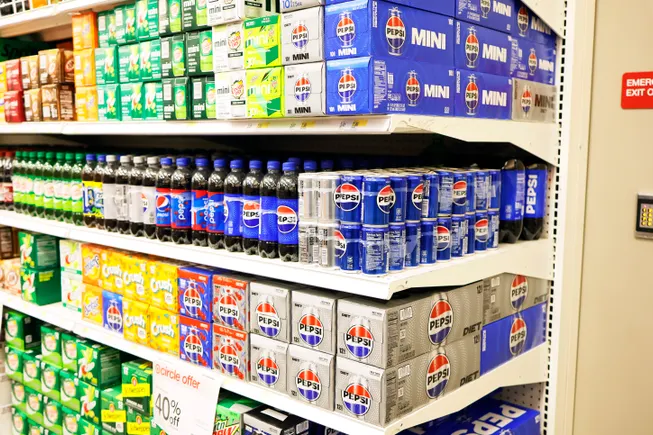
SNAP bans led to 12% decline in soda purchases
A working paper jointly released by Stanford University, MIT, and the University of Chicago shows that SNAP restrictions on sugary drink purchases reduced soda purchases by 12% in the first half of 2026, equivalent to a per capita reduction of about 34 cans of 12-ounce sugary drinks per year. The study found no evidence that SNAP beneficiaries switched to using their own funds to purchase sugary drinks, but in states that restricted only soda without limiting juice or energy drinks, consumers shifted up to 39% of their consumption to other sugary beverages. The research provides policymakers with new evidence on the effectiveness of SNAP restrictions.
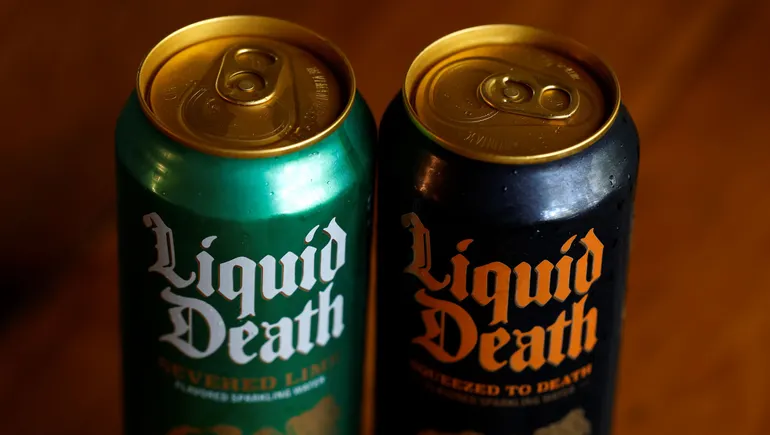
Zero-sugar labels take center stage in more food class action lawsuits
The U.S. food industry is facing renewed turmoil over "zero sugar" labeling. After the FDA supported counting allulose as sugar in the Chobani case, brands like Liquid Death and David protein bars have successively faced class actions, accusing their zero-sugar claims of misleading consumers.

Packaging industry braces for impacts from U.S.-Canada trade war
The US-Canada trade war continues to intensify, with Canada announcing tariffs of up to 50% on $27.6 billion in US goods. The packaging industry faces dual challenges of costs and supply chains as raw materials such as pulp, paper, and metals are included on the list. Multiple companies have initiated response assessments, and industry associations are calling for both sides to return to the negotiating table.

Nearly 60 members of Congress call for aluminum pricing investigation
A group of 42 Republican and 16 Democratic members of the U.S. House of Representatives jointly sent a letter to Commerce Secretary Howard Lutnick, requesting an investigation into "pricing anomalies" in domestic aluminum sales. The lawmakers noted that the Midwest Premium (MWP), serving as the national benchmark price, incorporates the Trump administration's 50% aluminum tariff, causing even companies using domestic or recycled aluminum to bear tariff costs. This move has sparked responses and controversy from S&P Global Platts, the Aluminum Association, the Beer Institute, and other organizations.
FSMA 204 brings law and order to the retail range
The FSMA 204 rule aims to unify food traceability standards, addressing the fragmented practices that previously prevailed across the supply chain. Pilot projects at Wegmans and Sysco have revealed real-world challenges: technology is just the starting point, with process optimization, data standardization, and trading partner collaboration being the critical factors. Experts advise companies to initiate testing early and prioritize partnerships with high-impact collaborators.
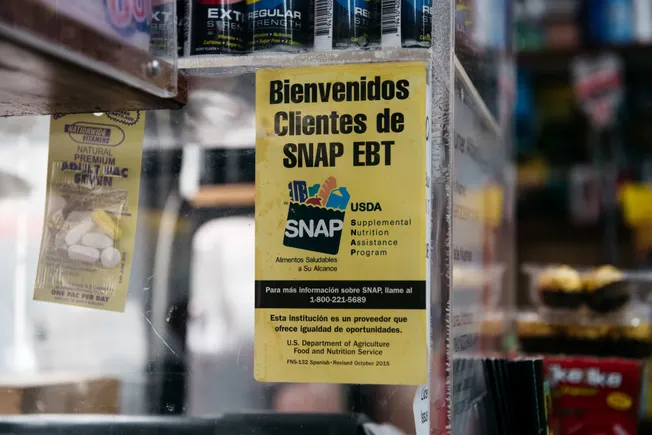
Where SNAP participation has fallen the most
USDA data for April shows SNAP enrollment fell nearly 13% year-over-year to just over 37 million, with every state except Alaska posting declines. Arizona led with a drop of more than half, while California and New Mexico saw smaller but notable decreases. The declines follow the One Big Beautiful Bill Act's stricter work requirements and increased state administrative responsibilities.
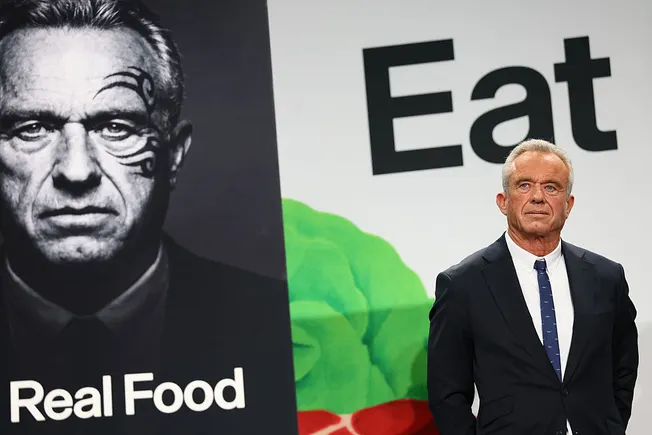
Will Congress be left to define ultraprocessed foods?
The FDA has delayed its definition of ultraprocessed foods, leaving a regulatory gap. Congress is advancing competing bills, states like California have enacted their own definitions, and industry groups warn against unscientific standards. This article examines the current landscape and the push for nutrition-focused approaches.
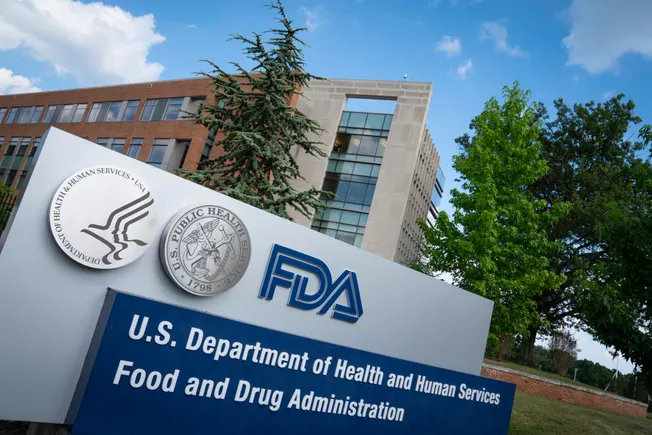
FDA lays out plan to close ingredients ‘loophole’ targeted by RFK Jr
The FDA has proposed a new rule to shift the 'Generally Recognized as Safe' (GRAS) mechanism for food ingredients from voluntary notification to mandatory notification, requiring companies to submit safety data before and after ingredients enter the market to enhance regulatory transparency. This move aims to address concerns from Robert F. Kennedy Jr. and the 'Make America Healthy Again' movement, but industry groups and consumer organizations have reacted differently.
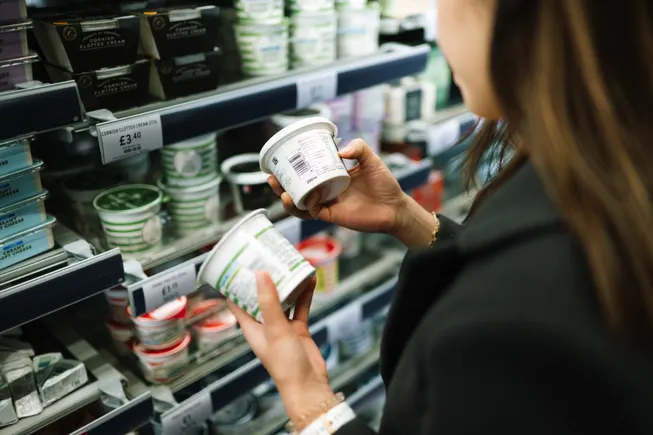
More ultraprocessed foods could carry GMO labels after court ruling
A U.S. federal appeals court upheld a lower court ruling, finding that the U.S. Department of Agriculture's exemption of highly refined foods from GMO labeling was 'arbitrary and capricious' and that disclosure via QR codes alone was noncompliant. The ruling will force the USDA to rewrite the National Bioengineered Food Disclosure Standard by 2028, potentially requiring more ultra-processed foods, such as potato chips and sodas, to label genetically modified ingredients.
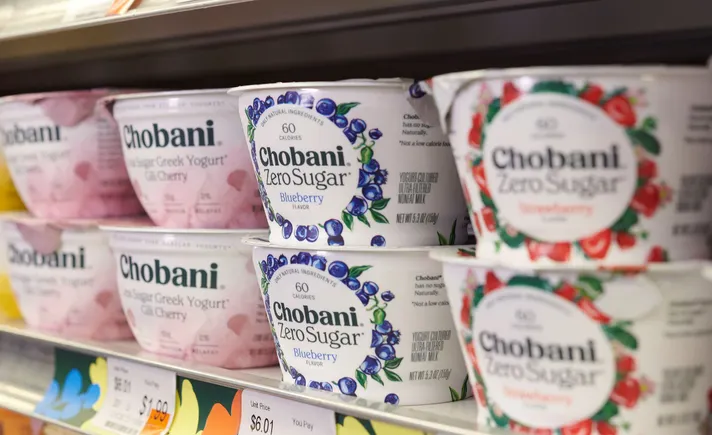
Chobani 'Zero Sugar' Label Lawsuit Revived by Appeals Court
The U.S. Seventh Circuit Court of Appeals reversed the district court's dismissal and revived a class action lawsuit over Chobani's 'Zero Sugar' yogurt label. The FDA clarified in an amicus brief that allulose falls within the statutory definition of sugar, and its 2020 enforcement guidance does not constitute an exemption for companies. The case will proceed to the discovery phase.