Deep Dive
来自我们记者的行业洞察

Why Celebrities Are Joining Food Tech Advisory Boards
In recent years, food tech companies have been inviting celebrities, former government officials, and industry experts to join advisory boards to enhance credibility, expand influence, and promote sustainable development. This article reviews cases involving DiCaprio, Kutcher, former Secretaries of Agriculture, and others, analyzing their motivations and value.
The Sustainability Dilemma of Beef: Can the Industry Find a Solution This Year?
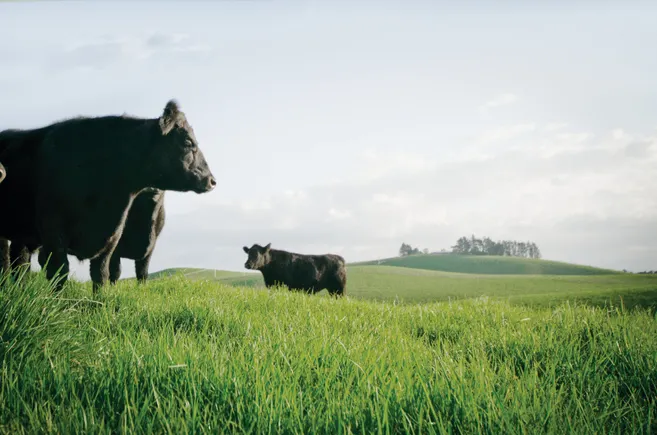
The beef industry has been heavily criticized for high greenhouse gas emissions, with shifting consumer attitudes and the rise of plant-based alternatives adding pressure. In 2022, major beef companies set emission reduction targets and explored technologies such as regenerative agriculture and feed additives, but faced regulatory, cost, and measurement challenges, with some measures being accused of "greenwashing."
Under Inflation and Supply Chain Pressure, the Outlook for Food and Beverage Companies in 2022 Is Shrouded in Uncertainty
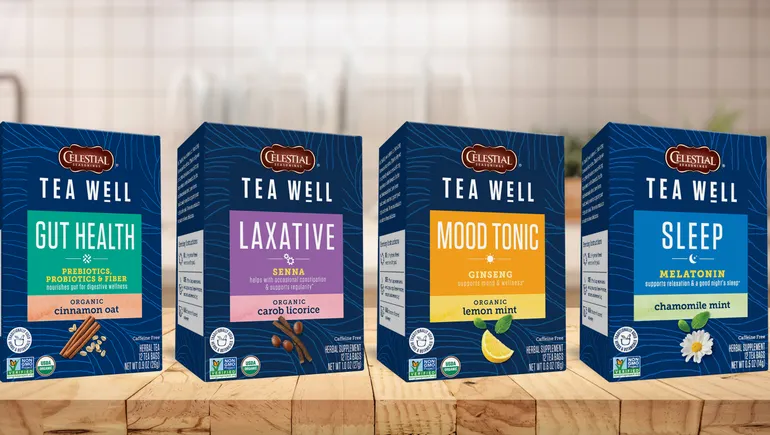
The food and beverage industry faces severe tests in 2022: supply chain disruptions, labor shortages, soaring inflation, and fluctuating demand are intertwined, with company executives widely describing the situation as "unprecedented." Companies such as Hain Celestial, General Mills, and Conagra have already taken measures like price increases and diversified sourcing, but consumers' tolerance for price hikes may decline, and purchasing behavior may shift toward value orientation and private labels.
Food Suppliers and Retailers: The Difficult Game of Online Collaboration
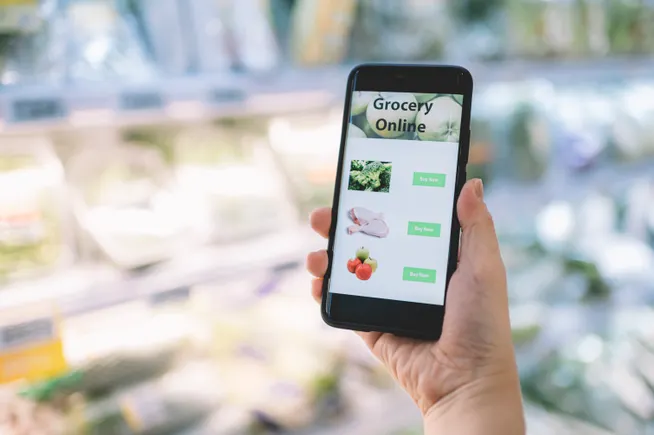
The rapid growth of online grocery shopping has exacerbated divisions between retailers and suppliers in digital operations. Suppliers face vastly different listing requirements from various retailers, while retailers must balance controlling the experience against relying on supplier data. This article explores the friction, challenges, and potential solutions in product listing management between the two parties.


Food and Beverage Giants' Lobbying Spending Insight: 30 Companies Invested a Total of $38.2 Million in 2020
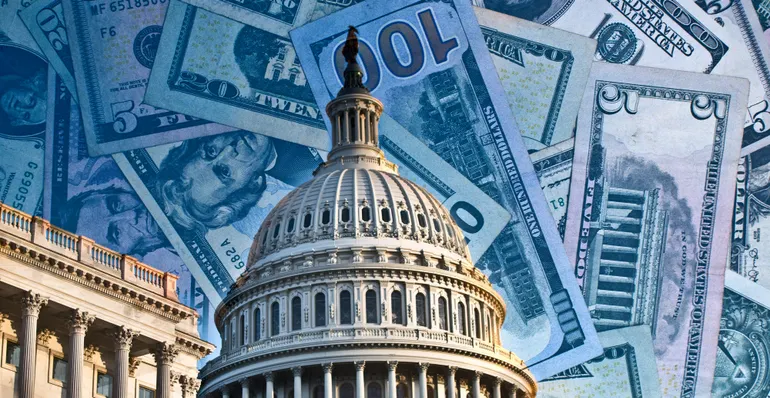
This article, based on data provided by the Center for Responsive Politics, analyzes the lobbying investment landscape of leading companies in the food and beverage industry in 2020. The data shows that the 30 largest spenders collectively spent $38.2 million, roughly on par with the average over the past six years. Coca-Cola has ranked first for six consecutive years, spending $5.83 million in 2020; AB InBev followed closely with $5.61 million, and PepsiCo ranked third with $3.69 million. Meanwhile, lobbying spending by industry trade groups has shrunk significantly, with the Consumer Brands Association's expenditure falling from $8.5 million in 2015 to $2.3 million. The article also explores the breadth of lobbying issues, critics' perspectives, and the actual impact of lobbying on policy-making.