
Snacks from childhood memories are facing removal crisis: some have quietly disappeared
From Fruit Stripe gum to Choco Taco, many classic snacks that have accompanied consumers for years have been discontinued or seen quality decline due to consumption trends, inflation, and regulatory pressure. This article dissects the three major threats facing brands and proposes response strategies.
Think of a product that evokes nostalgia—a cereal or snack you once loved that either feels "different" now or is simply no longer available. Take Fruit Stripe gum, for example: after 54 years on the market, this colorful gum was discontinued due to shifts in consumer preferences and purchasing patterns.
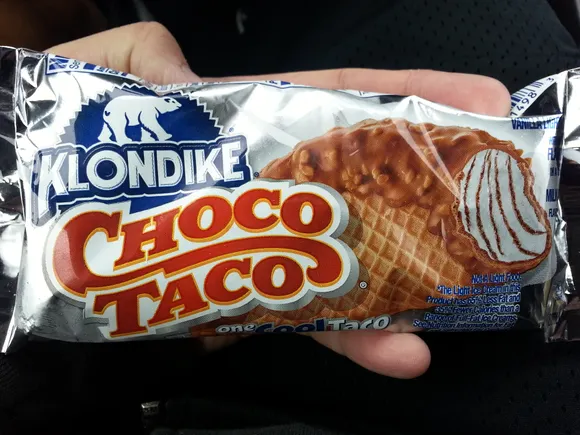
Similarly, Costco's private-label Kirkland Signature chocolate chips were discontinued due to rising cocoa costs, and the iconic Choco Taco was pulled by Klondike amid rising demand for other products.
These classic products, trusted by consumers for decades, are facing a crisis: some are being overlooked by consumers, others are declining in quality due to rising costs and reformulation, and still others are struggling because their ingredients have drawn government scrutiny.
To stay relevant, today's brands must keep pace with shifting consumer expectations, safeguard product quality amid rising costs, and proactively navigate an increasingly complex regulatory environment.
The "Triple Threat" Facing Legacy Brands
Shifting consumer preferences and rising inflation have now been amplified by the "Make America Healthy Again" (MAHA) initiative, which has intensified regulatory pressure on government agencies.
Upon closer inspection, these trends are not surprising:
Shifting Consumer Behavior
Changes in consumer behavior have been underway for years, but demand is now more polarized. Some consumers seek healthier, often pricier options, while others prioritize value for money, leaving increasingly little room for traditional "mid-tier" brands.
For example, traditional boxed mac and cheese is losing market share at both the premium and value ends. Premium brands like Goodles have seen sales double, while private-label products priced at less than half have grown sales by 6%.
Many struggling mid-tier brands attempt to move upmarket with "artisan" offerings or engineer value by cutting costs, but often fail to build credibility because they don't truly understand consumer value. With the right insights, brands can revitalize these mid-tier classics, enhancing quality and aligning with modern consumer needs.
Rising Costs and Inflation
At the same time, brands are grappling with rising ingredient and production costs. To maintain profit margins, some have quietly replaced premium ingredients with lower-cost alternatives. Over time, these small changes erode consumer trust, creating a "salami-slicing" effect—each compromise accumulates until there's almost nothing left of the slice.
Brands must be careful not to let rising costs undermine their product promise. The product itself is the embodiment of that promise—change it too much, and the brand loses credibility. Incremental product changes can cause the experience consumers once loved to drift noticeably, and these small compromises accumulate, disappointing loyal customers and accelerating brand decline as they turn to alternatives that match their remembered experience.
Ingredient Scrutiny and Regulatory Pressure
Recently, the government has increased its focus on food ingredients, particularly through the MAHA initiative led by Secretary of Health and Human Services Robert F. Kennedy Jr. The initiative aims to address the nation's health crisis by prioritizing preventive care and scrutinizing food production and nutrition. Regulators like the FDA are intensifying reviews of ingredients in products trusted for years, such as requiring the industry to replace artificial colors by the end of 2026.
With consumers becoming more informed and aware of product ingredients, amplified by discussions around initiatives like MAHA, brands are proactively setting aside R&D funds and securing leadership support for product reformulation.
West Virginia recently enacted the nation's first broad ban on synthetic food dyes, implementing the strictest food additive law in the United States. California had already banned ingredients like Red Dye, and according to the Environmental Working Group, 23 other states are pursuing similar bans, marking a bipartisan push for a safer food system.
Brands Need to Act Promptly
Navigating changing consumer expectations, inflationary pressures, and growing regulatory demands is no easy task. Reformulating to meet new standards or consumer preferences is often costly and can compromise key elements of a product's success, such as taste, texture, or functionality.
The risk is this: a misaligned reformulation can damage consumer trust, weaken brand equity, and create ripple effects across production, marketing, and the supply chain.
At the same time, the cost of inaction is high. Brands that delay change may find themselves scrambling to catch up or even being outmaneuvered by more agile competitors. Some companies adopt a "wait-and-see" approach, holding off on major adjustments until regulatory guidance becomes clearer. But in an environment where transparency and consumer sentiment are shifting rapidly, this strategy can be risky.
Consumers are becoming more informed, outspoken, and demanding. They expect higher-quality products, greater transparency, and cleaner labels. Many scrutinize ingredient lists, actively seek healthier alternatives, and hold brands accountable.
For CPG brands, restaurants, and foodservice products, the path forward lies in recommitting to the product itself: prioritizing better ingredients, improving formulations, and driving consumer-led evolution and innovation.
Ultimately, this moment is both a challenge and an opportunity. Brands that proactively address pressures with thoughtfulness and transparency, while focusing on delivering quality products aligned with consumer values, can stand out and build strong loyalty.
The products of our childhood memories may be at risk, but brands that double down on quality, trust, and relevance will not only survive but thrive in today's changing landscape.