
Opinion
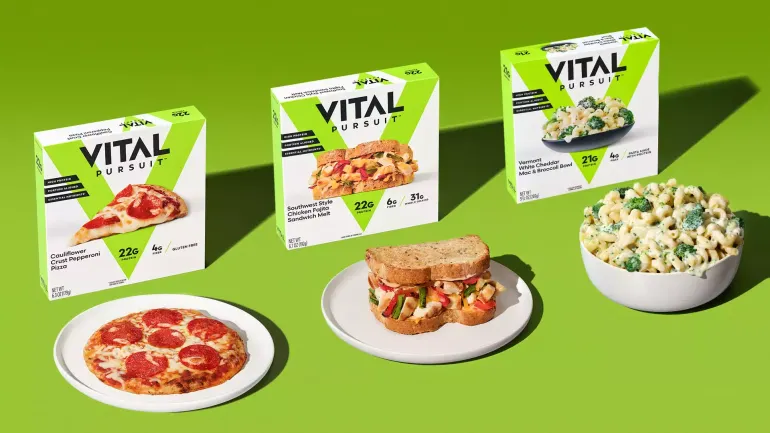
What does the ‘GLP-1 friendly’ label really mean?
The success of GLP-1 drugs is driving food brands to label their packaging as 'GLP-1 Friendly,' but this label lacks a unified standard. The article cites research showing that one-third of 150,000 households discontinued the medication midway, questioning whether the label truly reflects product changes. Author Tom Newmaster urges brands to highlight substantive information such as protein content and satiety on the front of packaging, and analyzes how the packaging industry must adapt to long-term market changes brought about by these drugs.

As MAHA clashes with courts, is RFK Jr’s food policy agenda on life support?
The MAHA movement, led by Health Secretary Robert F. Kennedy Jr., once advanced food policy reforms with great momentum, but recent rulings by multiple federal courts have hindered its core initiatives. This article reviews the movement's early offensive, its current legal difficulties, and looks ahead to its future direction.
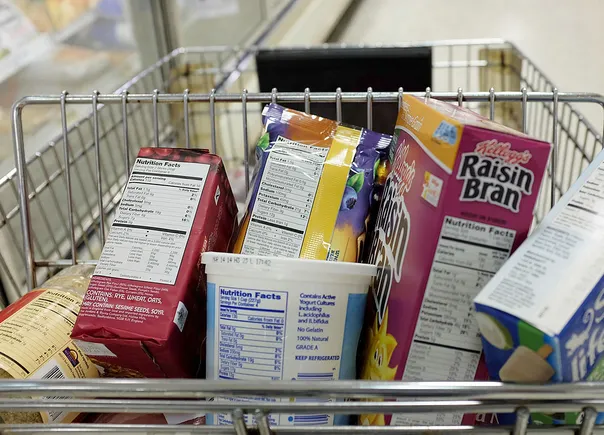
The new rules: How functional foods are redefining CPG brand leadership
As state and federal levels in the U.S. push for clearer nutritional disclosure and ingredient transparency, the competitive logic for food brands on shelves is shifting from "Do I want it?" to "What can it do for me?" This article analyzes how this regulatory trend accelerates the transformation of traditional packaged foods into function-oriented foods, and points out a new definition of brand leadership—high consistency among product claims, ingredients, and consumer expectations. The rise of high-protein categories such as Greek yogurt provides an example, while vague "healthier" positioning will face greater challenges.

Revisiting the predictions: How have GLP-1s changed the food industry?
A year ago, debate continued over whether GLP-1 drugs would change consumer behavior. Now, early data shows a clear impact: medication users' grocery spending has dropped by approximately 6%, dining-out spending by about 8%, and behavioral changes may persist. Based on insights from PA Consulting experts, this article reviews the accuracy of predictions, analyzes the drivers and risks of the protein boom, and points out that the food industry must shift from "more protein" to "better protein experiences" to adapt to fewer but more discerning eating occasions.

Reese’s didn’t change its chocolate because of corporate greed. It was climate change.
When Reese's Valentine's Day chocolates were accused of 'tasting different,' public opinion blamed corporate greed. However, author Chiara Cecchini points out that this is actually a microcosm of climate change impacting the agricultural supply chain. Cocoa prices have surged 400% in a decade, and droughts in West Africa have led to poor harvests, forcing brands like Hershey to switch to alternative ingredients. From Toblerone to coffee and wine, similar 'silent substitutions' are common. Consumers misread the slow erosion of climate change as brand betrayal, while the real challenge lies in how the food system copes with ingredient instability and rising costs.
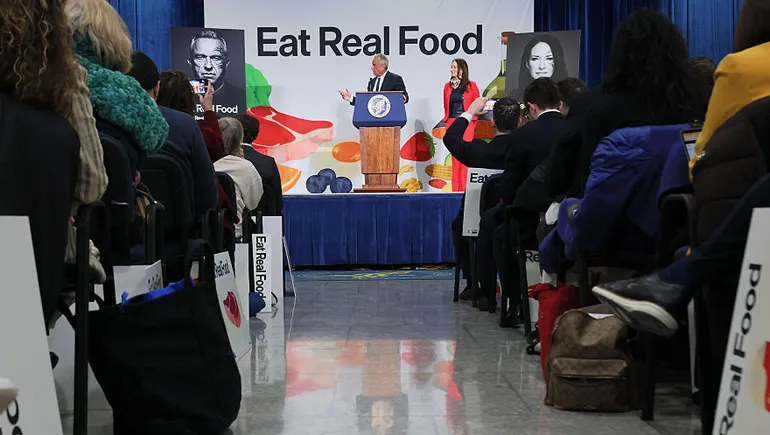
MAHA calls processed food ‘poison’ but dodges regulatory responsibility. That should tell you everything.
The MAHA movement calls processed foods, food dyes, seed oils, and more 'poison,' but it has not initiated formal regulatory procedures with agencies like the FDA. Instead, it calls for voluntary corporate action or pushes for state-level bans. The author argues that this approach of avoiding the scientific scrutiny and public debate required for federal regulation exposes the fragility of its policy proposals.
How CPGs can weather an incoming food packaging storm
In 2025, from grocery stores to boardrooms, the FMCG industry is experiencing a "perfect storm": price volatility, recurring tariffs, and consumer confidence touching recessionary warning lines. However, consumers are not retreating—they are becoming more vigilant. WovenWorks research shows that over 90% of Gen Z and Gen X are highly attentive to economic and political issues, and 75% of consumers expect tariffs to drive up grocery bills. Consumer behavior is shifting from "economic fatigue" to "economic vigilance": spending has not collapsed but is being restructured—trading down, shifting to value channels, and retaining small indulgences. Packaging has become a strategic lever, and companies need to act quickly in areas such as clearly communicating value, offering affordable pleasure, turning compliance into an advantage, and reassessing materials through the lens of cost and carbon.

Dry January is dead. Long live intentional drinking.
A Curion survey of 1,869 American adults in December 2025 revealed that nearly a quarter of drinkers participate in "Dry January" or "Damp January," but the essence of this phenomenon is not short-term abstinence, but a long-term renegotiation of drinking habits. Consumers increasingly favor moderate drinking over complete abstinence and actively seek non-alcoholic alternatives that preserve ritual and social experiences.

Brewers can use kosher certifications to win vegan, vegetarian consumers
The flavored beer market is growing rapidly, but the addition of non-traditional ingredients such as clam juice and lactose poses selection challenges for vegetarians, vegans, and allergy sufferers. Rabbi Moshe Elefant, Chief Operating Officer of OU Kosher, points out in an article that kosher certification, due to its strict prohibition of mixing meat and dairy, clear labeling of dairy and meat ingredients, and exclusion of insect-derived ingredients, highly overlaps with various special dietary needs. Data shows that kosher products average 20% higher sales than non-certified products, with over 12 million consumers purchasing kosher products annually nationwide. Currently, nearly 1,000 beers and breweries have received kosher certification, and the certification process typically requires no changes to production processes for breweries using compliant ingredients.

Taste no longer trumps all: How functional foods are changing the rules on flavor
In the past, "taste first" was the golden rule of the sensory world, but today consumers care more about whether a product aligns with their health goals. McKinsey surveys show that over 70% of consumers want to be healthier, and many accept taste compromises in exchange for benefits. Curion's nationwide study found that 62% of functional soda buyers choose products as a healthier alternative, 55% value low sugar, and 54% prefer natural ingredients. Consumers perceive flavors like "less sweet" and "herbal" as health signals, creating a "health halo." Brands need to compare functional products with similar items, not indulgent snacks, and measure "why they like it" rather than "how much they like it."