
Deep Dive
来自我们记者的行业洞察
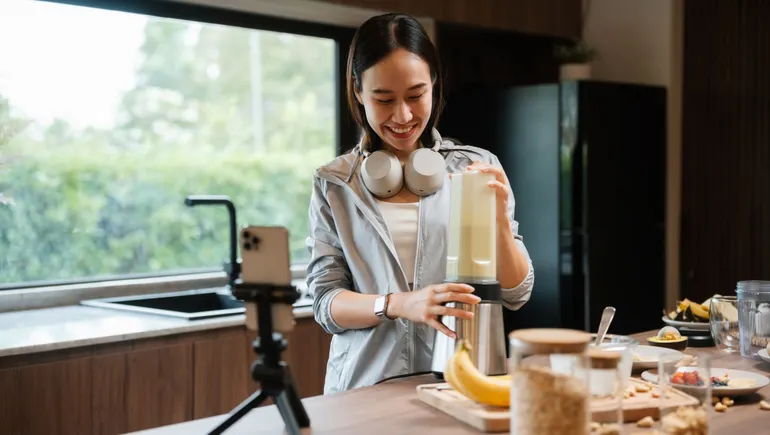
Beyond protein: The new wellness trends shaping food and beverage
Health and wellness claims have moved from niche to mainstream, with consumers expecting far more from food and beverages than basic nutrition. While the protein market has become saturated, ingredients such as fiber, postbiotics, and adaptogens are rapidly rising, driving the industry toward holistic health. The popularity of GLP-1 drugs and increased focus on emotional well-being have further accelerated this trend.
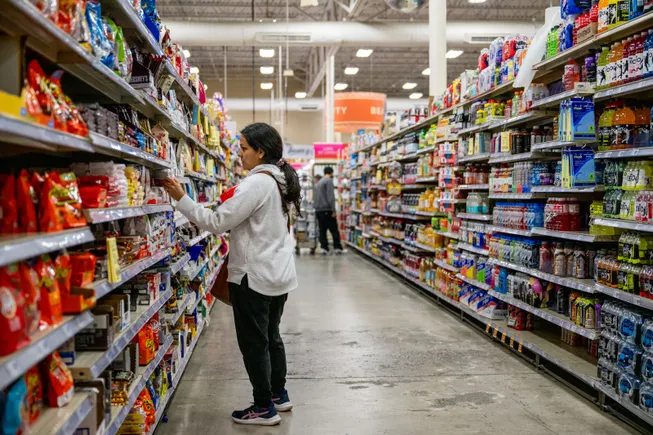
‘It’s not going to be easy’: Food industry faces uphill growth battle in 2026
The food industry faces dual challenges in 2026 of rising costs and slowing consumer spending, forcing companies to cut jobs, lower prices, or adjust innovation strategies. Circana has downgraded its growth forecast to 2%-4%, with giants like Nestlé and General Mills taking countermeasures, while niche segments such as Vita Coco still present opportunities.
The food and beverage trends to watch in 2026
In 2026, food and beverage companies need to address consumers' contradictory psychology of pursuing both health and craving convenience and indulgence. Industry giants are adjusting their product portfolios through M&A and innovation, while facing pressure from the Trump administration and the 'Make America Healthy Again' movement on ultra-processed foods. Based on Food Dive's observations, this article summarizes five major trends: the rise of novelty flavors, active M&A, alcohol innovation to counter declining sales, health and policy leading consumption directions, and the indulgent expression of healthier beverages.
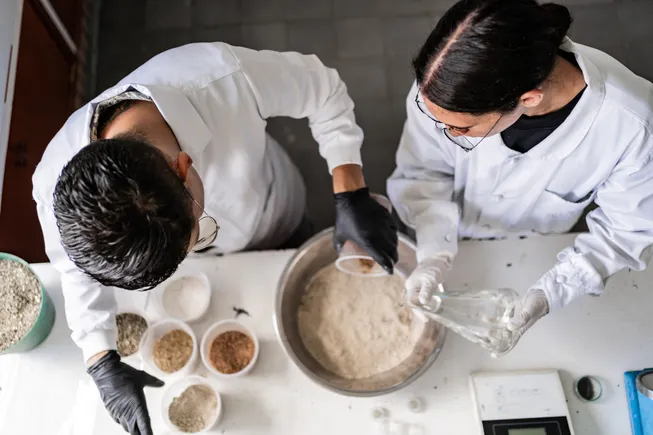
The chemistry of comfort: Inside the rise of nostalgic snacks
Nostalgic flavors are becoming a core driver in the food industry. Innova data shows that 85% of consumers are influenced by familiar tastes, with coffee, chocolate, and caramel leading the way. Scientists and brands are using flavor chemistry, AI modeling, and healthier improvements to preserve memory-evoking tastes while meeting modern demands.
Out of the box: How food and beverage giants are making their packaging shine
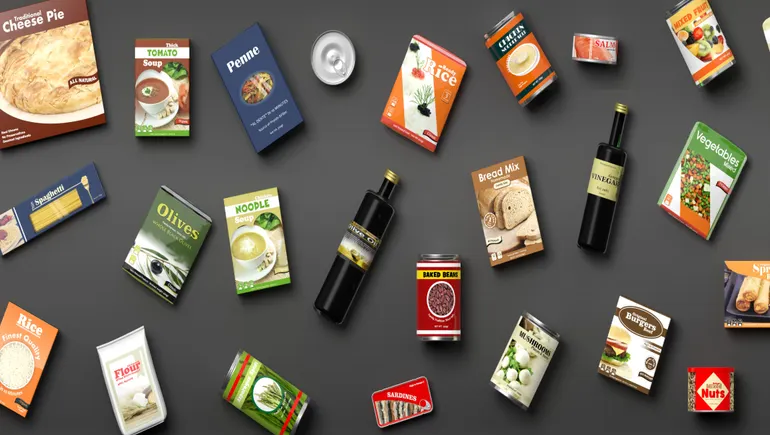
Packaging in the food and beverage industry is shifting from an afterthought to a strategic priority. Companies such as B&G Foods, Conagra Brands, and Suja Life are investing heavily in optimizing packaging to attract consumers and boost sales. However, packaging changes also carry risks, as seen in the failures of Tropicana and Sun Chips. This article delves into the opportunities and challenges of packaging innovation.
How meat sticks became America’s favorite new snack
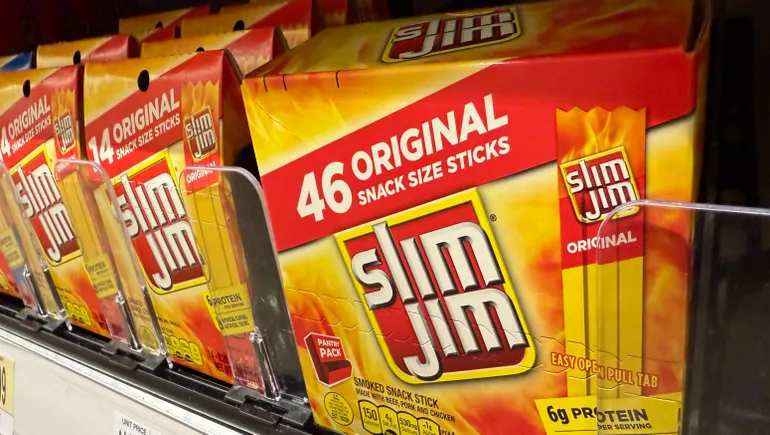
America's meat stick snack market is experiencing explosive growth, with 2024 sales reaching $3.3 billion. Leading company Chomps produces 2 million sticks daily yet still cannot meet demand, while Jack Link's and Archer are expanding production. The industry is attracting more consumers through product innovation, health-oriented transformation, and differentiation strategies, and is expected to continue growing.
How legacy CPG brands can crack the social-first marketing code
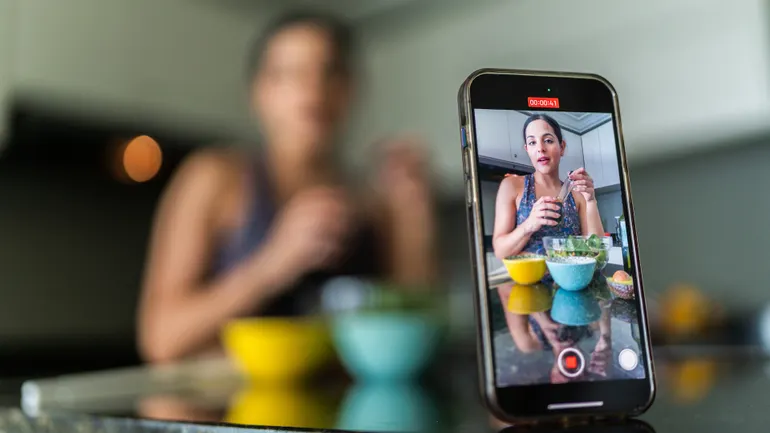
Social media has evolved from a marketing option into the core battlefield for consumer packaged goods (CPG) brands. Giants like Unilever allocate half of their advertising budgets to social channels and strengthen their social DNA by acquiring emerging brands such as Dr. Squatch. However, traditional brands still face challenges in organizational processes, risk tolerance, and creative flexibility. This article explores the drivers, strategies, and obstacles of the social-first transformation.
How SNAP changes could impact grocers
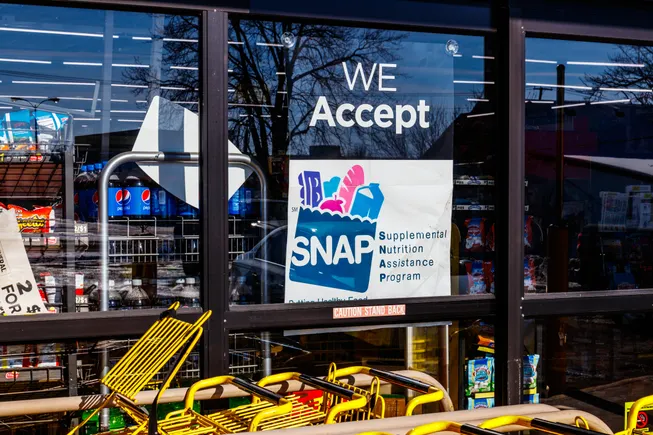
With the One Big Beautiful Bill signed by U.S. President Trump taking effect, the Supplemental Nutrition Assistance Program (SNAP) undergoes major adjustments, including tightened eligibility requirements, $186 billion in funding cuts, and multiple states approved to exclude items such as candy and soda from SNAP coverage. Industry experts analyze that these changes will lead to reduced participation, declining sales for grocers, and issues such as cross-state shopping and increased administrative burdens.
Back from the dead: Once discontinued brands get another chance
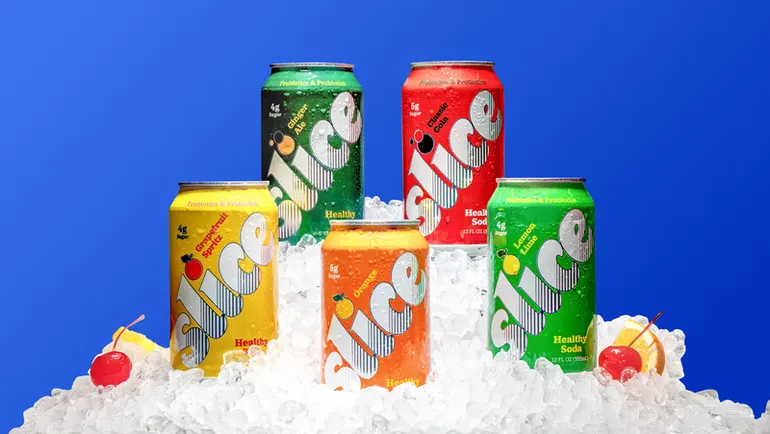
Facing extremely high failure rates in the new product market, companies like Suja Life, Jumex, Leaf Brands, and Redcon1 are re-entering the market by relaunching discontinued brands such as Slice, Odwalla, Hydrox, and Jolt, capitalizing on their existing recognition and nostalgic appeal. However, experts point out that reviving brands requires balancing the expectations of loyal old customers with attracting new consumer segments, and successful cases remain rare.
The latest tariff challenge for businesses? Setting prices.
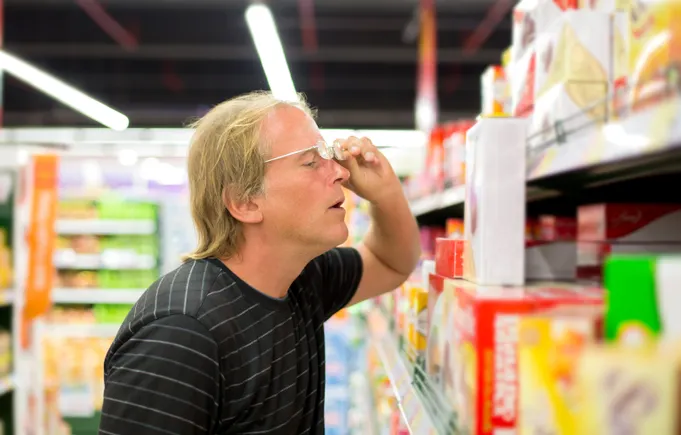
As uncertainty over the Trump administration's tariff policies intensifies, retailers face the risk that the "cost-plus" formula fails in pricing. With consumers becoming more price-sensitive, companies must weigh whether to pass on costs, adjust product assortments, or adopt AI pricing tools. Low-price commitments by giants like Walmart may set the industry trend, while supplier negotiations and transparent communication become key to mitigating the impact.